
Reviewed · WALKING TOURS
San Francisco: Castro & LGBTQ Private Walking Tour
The most important part of this tour is not the sightseeing checklist. It is the chance to walk through the Castro with someone who can connect Harvey Milk’s former camera shop and home to the neighborhood’s wider fight for civil rights. I like the private format, and I like that you can shape the walk around history, architecture, nightlife, or broader San Francisco advice.
The main caution is guide quality. One guide, Chet, was friendly and entertaining but knew little about Castro or LGBTQ history. Another booking reportedly lasted only an hour instead of two. At $100 per person, you should expect a focused, well-prepared tour, so it is worth confirming the route and subject matter before you set off.
In This Review
- Key points to know before booking
- Starting at Hotel Castro and Harvey Milk Plaza
- Harvey Milk’s camera shop and former home
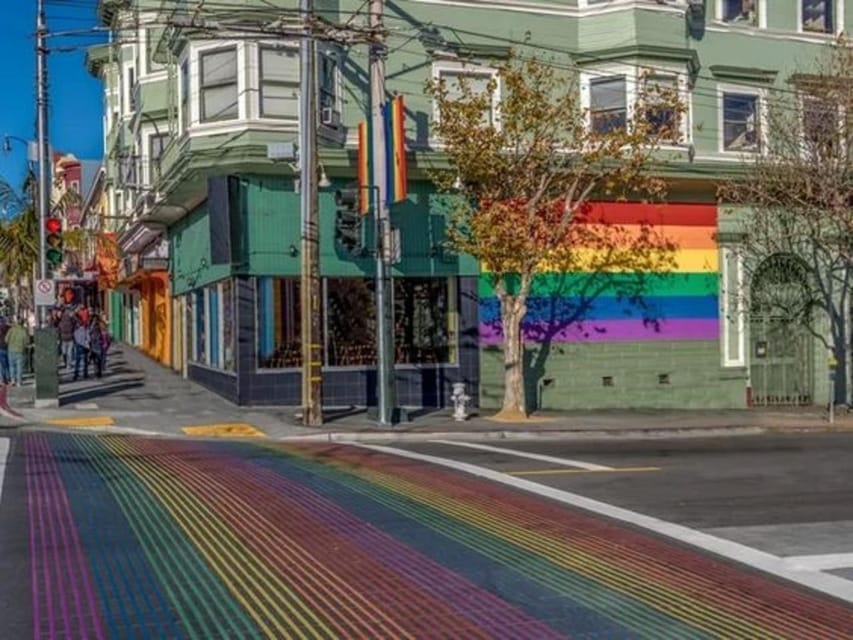
- The Castro Theatre and the rainbow flag
- How the tour handles the AIDS epidemic
- A private walk that can be adjusted
- Why guide quality is the deciding factor
- Walking, public transport, and the two-hour pace
- What the $100 price means
- Who will get the most from this Castro walk
- Booking details worth keeping in mind
- Should you book the Castro and LGBTQ Private Walking Tour?
- FAQ
- Where does the tour meet?
- How long does the tour last?
- Is this a private tour?
- Which languages are available?
- Are attraction tickets and food included?
- Can I cancel or pay later?
Key points to know before booking

- Harvey Milk Plaza is the starting point for the story: You begin with one of the Castro’s clearest links to LGBTQ civil rights.
- Milk’s former camera shop and residence are central stops: These places help turn political history into something you can see on the street.
- The Castro Theatre adds a landmark with symbolic weight: Its rainbow flag ties the building to the neighborhood’s present-day identity.
- The private group format gives you control: You can ask for more history, architecture, local tips, or general San Francisco sights.
- The tour is walking-based: Public transport may be used, but food, drinks, attraction tickets, and city transport costs are not included.
- Guide preparation matters: The strongest experience depends on receiving detailed information about the Castro and LGBTQ history, not just a pleasant walk around the district.
Starting at Hotel Castro and Harvey Milk Plaza
You meet your guide in front of The Hotel Castro. That is a handy location because the tour begins in the heart of the district rather than with a long transfer from another part of San Francisco.
From there, the route moves toward Harvey Milk Plaza, a natural place to begin understanding the Castro. The plaza honors Harvey Milk, one of the best-known figures in the American LGBTQ rights movement. A good guide should help you place Milk within the neighborhood itself, not treat his name as a quick photo stop.
I value this opening because it gives the walk a clear purpose. You are not simply looking at rainbow flags and busy storefronts. You are learning how a local district became a center of activism and a place where many LGBTQ people found community and safety.
The plaza also helps you get your bearings. In two hours, orientation matters. You can see how the main streets connect, where the major landmarks sit, and how the Castro functions as an active neighborhood rather than a museum display.
More walking tours in San Francisco:
- North Beach & Little Italy Walking Tour: Food, History & Flavor
★ 5.0 · 1,044 reviews - San Francisco Chinatown Walking Tour
★ 5.0 · 778 reviews - San Francisco LGBTQ Walking Tour with Local Guide
★ 5.0 · 600 reviews
Harvey Milk’s camera shop and former home
The former camera shop and residence of Harvey Milk are among the most meaningful stops on the route. His camera shop became an important meeting place for political organizing, and the building links everyday commercial life with the fight for equal rights.
This is the sort of stop where a guide’s preparation makes a major difference. You want more than an address. You want a clear explanation of what happened there, why the site mattered, and how Milk’s work affected the Castro and the wider city.
One experience exposed a specific weakness in this part of the tour. When the participant asked where Milk’s shop was, the guide did not know. He used a phone to find it, walked to another street, crossed over, and then returned to the spot where the question had first been asked. A plaque on the sidewalk marked the location.
That detail is useful for your decision. The shop is not necessarily a grand attraction with an obvious entrance and ticket booth. It may be easy to overlook, so you need a guide who knows exactly where to take you and can explain the marker without searching for the answer in front of you.
You should also remember that the tour does not include entry to museums or monuments. The emphasis is on seeing places from the street and hearing their story while you walk.
The Castro Theatre and the rainbow flag
The historic Castro Theatre is another key stop. Its rainbow flag gives the building a direct connection to the district’s LGBTQ identity, while the theater itself adds an architectural and cultural landmark to the route.
The guide is expected to explain the origins of the rainbow flag and how it became a worldwide symbol of LGBTQ pride. This is a small detail with wide reach. You see the flag constantly in the Castro, but learning where its meaning comes from can change the way you read the streets around you.
The theater also gives the tour a break from political history. You move from activism and community organizing to film, public gathering, and the visual character of the neighborhood. That variety makes the two-hour walk more satisfying than a route focused only on plaques and memorials.
Do not assume that a theater admission is part of the experience. Attraction tickets and entry fees are not included. The supplied details describe a walking tour, so you should plan on viewing the Castro Theatre as part of the street route unless your guide arranges something else at your request.
How the tour handles the AIDS epidemic
The Castro’s story cannot be told properly without discussing the AIDS epidemic. Your guide is expected to explain how the crisis affected the neighborhood and how local people faced fear, loss, discrimination, and the need for care and political action.
This portion of the walk may be emotionally serious. That is not a flaw. It is necessary context, and it keeps the tour from presenting the Castro as only a nightlife district or a colorful backdrop for photographs.
A private group can be useful here. You can ask questions, slow down, or request more context if the subject matters to you. You are not locked into the pace of a large group, and there is no need to compete with other people to speak.
At the same time, the advertised two-hour length limits how much the guide can cover. You should expect an introduction rather than a full academic account of LGBTQ history in San Francisco. The best use of your time is to focus on the places you most want to understand and ask direct questions.
A few more San Francisco tours worth comparing
- Castro District LGBTQ+ Historic Tour
★ 5.0 · 9 reviews - San Francisco: Castro District LGBTQ+ History Tour
★ 5.0 · 9 reviews - Castro District LGBTQ+ History Tour
★ 5.0 · 5 reviews
A private walk that can be adjusted
The tour is private and exclusive, so nobody outside your booking joins the group. That is a real advantage for couples, families, friends, or anyone who wants to discuss personal interests without holding up a larger party.
Customization is built into the experience. You can ask for more attention to Harvey Milk, the origins of the rainbow flag, the AIDS epidemic, architecture, or the Castro’s place within San Francisco. You can also ask for advice about other things to do in the city.
The phrase customizable should not mean unlimited. The tour lasts two hours, and the listed route has several important subjects to cover. If you want a strong history-focused walk, say so clearly at the start. If you mainly want an introduction to the district and practical city advice, explain that instead.
This flexibility is also why the experience can work for repeat visitors. You might already know the main San Francisco sights and want a neighborhood walk with a local angle. Or you may be visiting for the first time and want to combine Castro landmarks with general suggestions for the rest of your stay.
Why guide quality is the deciding factor
The strongest comments about this experience describe a friendly, attentive, flexible guide who offered personal insight into history, architecture, and the area. Another guide was described as inspired and able to explain the neighborhood well.
Those qualities matter on a private tour. Your guide sets the pace, decides what gets explained, and shapes the mood. A warm personality helps, but it does not replace subject knowledge. For this particular walk, you need both.
The mixed experience with Chet is a warning worth taking seriously. He was pleasant and knew a lot about San Francisco in general, but the walk reportedly focused on broad conversation rather than Castro or LGBTQ history. The group felt it could have learned about as much by walking alone.
There was also a separate report of a one-hour tour with an unprepared guide, despite the stated two-hour duration. I would contact the provider before booking and ask two simple questions: Who is likely to guide the walk, and will the route include detailed LGBTQ history at Harvey Milk Plaza, the former shop, and the Castro Theatre?
The available guide languages are English, French, Italian, and Spanish. That choice can help you discuss sensitive historical subjects with greater ease, but the listing does not guarantee a particular guide or language for every departure.
Walking, public transport, and the two-hour pace
This is a walking tour. Local transportation around the city is not included, and car transport is not part of the standard experience. Public transport may be used as part of the walk, but you should not treat this as a chauffeur-driven sightseeing tour.
Wear comfortable shoes and leave room in your schedule. The exact starting time depends on availability, and the route may be adjusted. Since the tour begins at The Hotel Castro, you should plan to arrive at the meeting point rather than expect pickup from your hotel.
Two hours is enough for a useful introduction to the Castro. It is not enough for every historic site, museum, and neighborhood story. If the guide spends too long on general San Francisco recommendations, the core subject can get squeezed, so keep an eye on the route and ask to stay with the Castro theme if that is your priority.
The tour is listed as wheelchair accessible. Since the route is on foot and may involve public transport, you can still explain your needs when booking and confirm how the planned route will work for you.
What the $100 price means
At $100 per person, this tour is not the cheapest way to stroll through the Castro. You can see the rainbow flags, Castro Theatre, Harvey Milk Plaza, and street plaques without paying for a guide.
The value comes from interpretation and customization. If your guide gives clear history, points out details you would miss, answers questions, and offers useful advice for the rest of San Francisco, the private format can justify the price. It becomes especially reasonable when two or more people share the private guide, depending on the booking terms.
The price is harder to defend if the walk becomes a general chat about San Francisco or lasts only one hour. Since food, drinks, admission fees, attraction tickets, and city transportation are not included, you should view the $100 as payment for the guide’s time and the private route, not as an all-inclusive outing.
I would book this when the Castro is a major reason for your visit and you care about the history behind the streets. I would skip it if you only want quick sightseeing and are comfortable researching the district on your own.
Who will get the most from this Castro walk
This experience suits you best if you want a personal introduction rather than a large group tour. It is also a good choice if you want to ask frank questions about LGBTQ history, local politics, community life, or the symbolism you see throughout the district.
It can work well for first-time visitors who want broad San Francisco advice along with the Castro route. The guide may suggest other things to do in the city, which gives the walk value beyond its two-hour path.
You should be more cautious if you are a serious history enthusiast. The tour description promises meaningful context, but the actual quality can depend heavily on the person assigned. A museum visit, self-guided research plan, or specialist history tour may offer more reliable depth.
The private setup also suits people who prefer a quieter pace. You can stop to ask about a plaque, return to a site, or shift the emphasis without managing a group of strangers.
Booking details worth keeping in mind
You can cancel up to 24 hours before the tour for a full refund. You can also reserve now and pay later, which gives you some flexibility while arranging a San Francisco itinerary.
The experience lasts two hours, with starting times based on availability. It is offered as a private group and is available in English, French, Italian, or Spanish.
No meals or drinks are included. No museum or monument admission is included, and local transportation around the city is not covered. Bring your own plan for refreshments and make sure you know whether any public transport used during your chosen route will require a separate fare.
Should you book the Castro and LGBTQ Private Walking Tour?
Book it if you want a private, flexible walk centered on Harvey Milk, LGBTQ activism, the rainbow flag, and the Castro’s response to the AIDS epidemic. The route includes the right landmarks, and a thoughtful guide can turn a short stroll into a meaningful look at one of San Francisco’s most important communities.
I would not book without first confirming the guide’s experience with Castro and LGBTQ history. The positive accounts describe personal, warm, and flexible guiding. The weaker account describes a pleasant guide who lacked the very subject knowledge the tour promises.
That makes this a potentially worthwhile but guide-dependent experience. Ask for a history-focused route, confirm the full two-hour duration, and treat the private format as the main value. If those details are settled, the tour can give you a clear and personal introduction to the Castro. If not, you may get little more than a walk around the neighborhood with general conversation.
FAQ
Where does the tour meet?
You meet your guide in front of The Hotel Castro.
How long does the tour last?
The stated duration is two hours. Starting times depend on availability.
Is this a private tour?
Yes. The tour is for a private group, and nobody else joins your booking.
Which languages are available?
The tour is available with a live guide in English, French, Italian, or Spanish.
Are attraction tickets and food included?
No. Entry to monuments and museums, attraction tickets, food, and drinks are not included.
Can I cancel or pay later?
You can cancel up to 24 hours in advance for a full refund. You can also reserve the tour and pay later.
Recently added around San Francisco
- Guided Private Wine Tour to Napa and Sonoma Wine Country★ 5.0 · 3 reviews
- San Francisco: Muir Woods Giant Redwoods & City Private Tour★ 5.0 · 3 reviews
- Napa or Sonoma Private Wine Tour from San Francisco★ 5.0 · 3 reviews
- San Francisco Chinatown Food and Culture Tour★ 5.0 · 3 reviews
- San Francisco City Half-Day Private Custom Tour★ 5.0 · 3 reviews
- SFO Pick-Up with City Sightseeing Tour★ 5.0 · 3 reviews
- 6-Hour Luxury Napa Wine Tasting Tour with Route Planning★ 5.0 · 3 reviews
- Muir Woods, Sausalito and Ferry back to Fisherman’s Wharf★ 4.7 · 3 reviews
Walking Tours, compared.

North Beach & Little Italy Walking Tour: Food, History & Flavor
Read our review →
San Francisco LGBTQ Walking Tour with Local Guide
Read our review →
Browse the lists this tour appears in