
Reviewed · WALKING TOURS
San Francisco Architecture Walking Tour
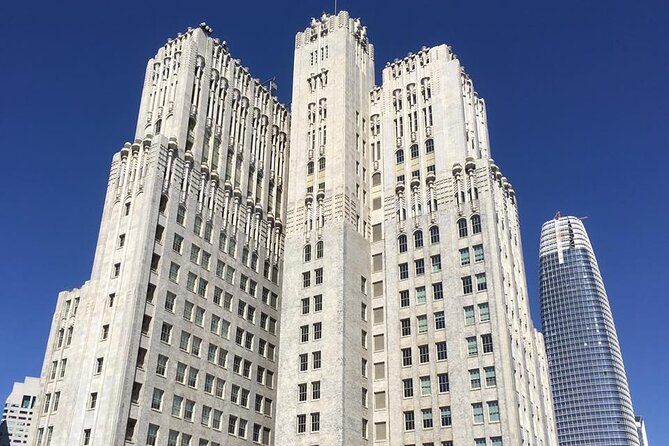
San Francisco’s downtown architecture makes far more sense when you see it from the sidewalk, not just through a camera lens. This 2.5-hour walking tour links classic and modern buildings in and around the Financial District, with guide Rick explaining how the city’s urban plan has changed over time.
I like the small maximum group of 10, which should make it easier to hear, ask questions, and pause at the best angles. I also like the detailed handout, a useful take-home reference when a building’s name or design detail slips your mind. The main drawback is simple: you walk the whole route, and SFMOMA admission is not included.
- Start at SFMOMA: Meet at the museum’s front entrance at 2:00 p.m., a practical downtown starting point near public transportation.
- Focus on overlooked buildings: The route covers classic and modern Financial District architecture not included on other city walks.
- Learn how San Francisco was planned: The guide connects individual buildings to the city’s past and possible future.
- See buildings from better angles: Stops are chosen to help you understand proportions, facades, and surrounding urban spaces.
- Travel in a small group: The maximum is 10 people, allowing for a more personal pace and easier questions.
- Take home a building guide: A detailed handout helps you remember the architecture after the walk.
In This Review
- Why This San Francisco Architecture Walk Feels Different
- Starting at SFMOMA on Third Street
- From Classic Facades to Modern Forms
- Understanding San Francisco’s Urban Plan
- Why a Group of 10 Matters
- The Handout Adds Value After the Tour
- Walking Distance, Weather, and Timing
- Sorting Out the Meeting and End Points
- Is the Tour Good Value?
- Who Should Book This Walk
- Should You Book the San Francisco Architecture Walking Tour?
- FAQ
- Where does the San Francisco Architecture Walking Tour begin?
- What time does the tour start?
- How long does the walking tour last?
- Is admission to SFMOMA included?
- Is transportation included?
- How large is the group?
- What happens if the tour is canceled because of bad weather?
Why This San Francisco Architecture Walk Feels Different
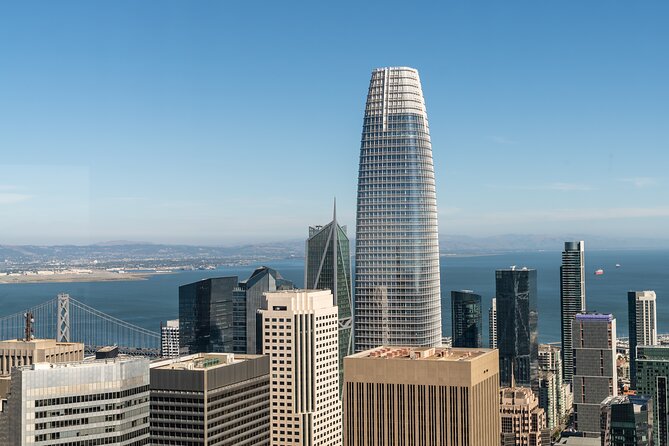
Many city tours use buildings as scenery between broader stories about famous people, disasters, or food. This walk puts the buildings first. You spend the afternoon looking carefully at how structures meet the street, how older and newer designs sit beside one another, and how open spaces shape your view.
That approach suits you if you already know San Francisco’s main sights and want a fresh way to read the city. One participant with an architecture background and many previous visits still found new details to appreciate. You do not need formal design training, but curiosity helps.
Guide Rick’s style appears to be especially strong on explanation and context. He covers history, urban planning, and small facts that are easy to miss in a standard guidebook. The goal is not simply to point at a building and name its architect. It is to help you understand why the building looks the way it does and how the surrounding city affects your view of it.
The pace is described as easy, though you still need a moderate level of physical fitness. Expect to remain on your feet for most of the 150 minutes, walking between stops on city streets. Wear comfortable shoes and bring a layer for San Francisco’s changing conditions.
Starting at SFMOMA on Third Street
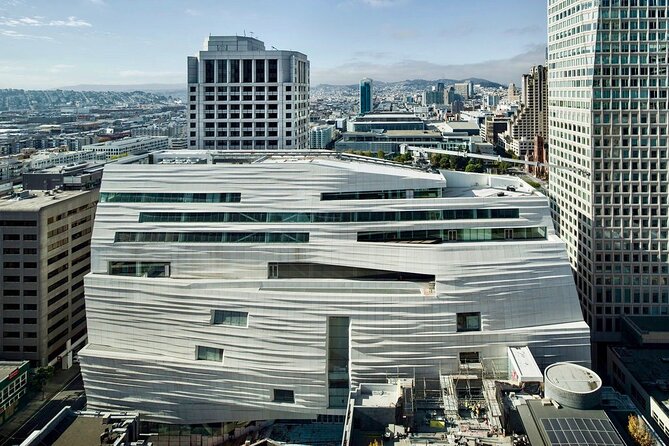
The tour begins at the front entrance of the San Francisco Museum of Modern Art, at 151 Third Street. This is a convenient place to meet because it is central and close to public transportation. You should arrive with enough time to locate the entrance and settle in before the 2:00 p.m. start.
SFMOMA itself is not part of the included tour admission. You can visit the museum separately if you want, but you do not need a museum ticket to join the architecture walk. That distinction matters when planning your afternoon and budget.
Starting at a modern art museum sets the right tone. You begin with a place associated with contemporary design, then move into the wider downtown setting where older commercial buildings and newer work share the same streets. The walk is therefore not limited to one period or one design school.
The opening stop is listed at about 10 minutes. Treat it as a meeting and orientation point rather than a full museum visit. The main architectural discussion continues outdoors as the group moves into the city.
More walking tours in San Francisco:
- North Beach & Little Italy Walking Tour: Food, History & Flavor
★ 5.0 · 1,044 reviews - San Francisco Chinatown Walking Tour
★ 5.0 · 778 reviews - San Francisco LGBTQ Walking Tour with Local Guide
★ 5.0 · 600 reviews
From Classic Facades to Modern Forms
The central promise of this experience is its mix of classic and modern buildings. You are not being taken only to the most famous addresses. The route seeks out structures and urban spaces that are often missed on general sightseeing walks.
That focus gives the afternoon a useful rhythm. You may look at one building for its older design language, then compare it with a later structure nearby. A guide can point out changes in materials, scale, street frontage, and the way a building meets its neighbors. These comparisons are more helpful than seeing isolated landmarks with no connection between them.
The tour also emphasizes viewing angles. This is a practical detail, not just a photographer’s extra. Large buildings can look flat or confusing when you stand directly in front of them. Moving to a corner, widening your view, or looking down a particular street can reveal the balance of the facade and the relationship between the building and the public space around it.
You should bring your phone or camera if you enjoy taking architectural photographs, but the real benefit is learning how to look. After this walk, you may find yourself noticing setbacks, entrances, upper stories, and street-level details across the rest of San Francisco.
Understanding San Francisco’s Urban Plan
Architecture becomes more interesting when you know what pressures shaped it. The guide discusses the past and future urban plan of San Francisco, giving the buildings a larger purpose within the city.
That subject can be dry in the wrong hands, but it is useful here because the walk stays tied to what you can see. Rather than treating planning as an abstract topic, the tour connects it to streets, open areas, building placement, and the changing needs of downtown.
I like this part for visitors who have already seen the Golden Gate Bridge, Alcatraz, and the waterfront. Those sights explain San Francisco’s identity from a distance. An urban planning walk shows how the city functions at street level.
The future-planning angle also keeps the tour from becoming a simple trip into the past. You are encouraged to consider how San Francisco may change and how new construction affects older buildings and public spaces. The supplied details do not promise a specific list of future projects, so you should think of this as a guided discussion rather than a forecast of exact developments.
Why a Group of 10 Matters
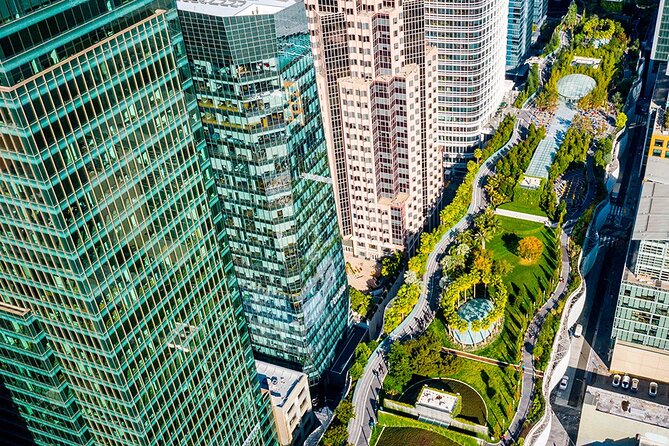
A maximum of 10 people is one of the strongest practical features. Small groups are easier to manage on city streets, and you are less likely to be stuck at the back while the guide talks.
It also changes the feel of an architecture tour. You can ask why a certain detail matters, request clarification, or stop briefly to study a building without holding up a large crowd. The guide has a better chance to notice whether people are following the explanation.
The walk is still a shared experience, not a private tour. The group’s interests and pace will shape the afternoon. If everyone wants to linger over design details, the guide may spend more time explaining. If the group moves quickly, individual stops may feel shorter.
The small size does not remove the need for good walking habits. Stay close to the guide, listen for instructions when crossing streets, and keep your attention on the urban setting. The tour takes place in a working downtown area, not a closed museum.
A few more San Francisco tours worth comparing
- Muir Woods and Sausalito (Return by Bus or Ferry)
★ 4.5 · 5,098 reviews - Big Bus SF: Hop-on Hop-off Tour with 17 Stops and Sunset Option
★ 4.0 · 4,539 reviews - Napa and Sonoma Wine Country Full-Day Tour from San Francisco
★ 4.5 · 4,455 reviews - Small Group Yosemite and Giant Sequoias Day Trip from San Francisco
★ 5.0 · 3,671 reviews
The Handout Adds Value After the Tour
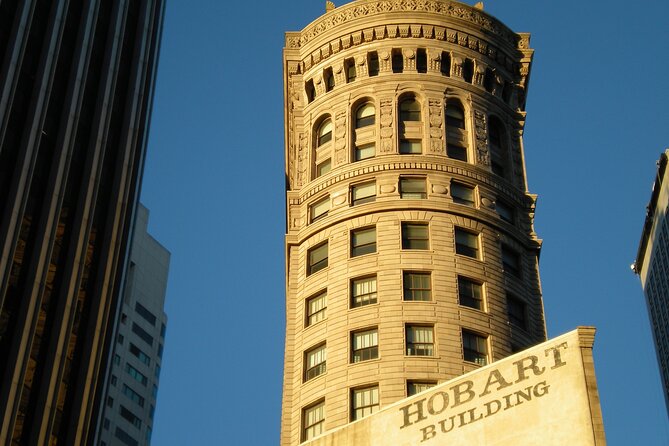
You receive a detailed handout describing the buildings on the route. That may sound like a small benefit, but it is useful on an architecture walk where names, dates, and design terms can blur together.
I would keep the handout with your San Francisco notes and use it for a second look at the route. You may pass through the same part of downtown later in your trip and want to identify a building without waiting for another guide.
It also helps if you are not used to architectural vocabulary. You can focus on the discussion during the walk, then review the details later. A handout cannot replace the guide’s explanations or the experience of seeing the structures in place, but it gives the tour a longer life than the afternoon itself.
Walking Distance, Weather, and Timing
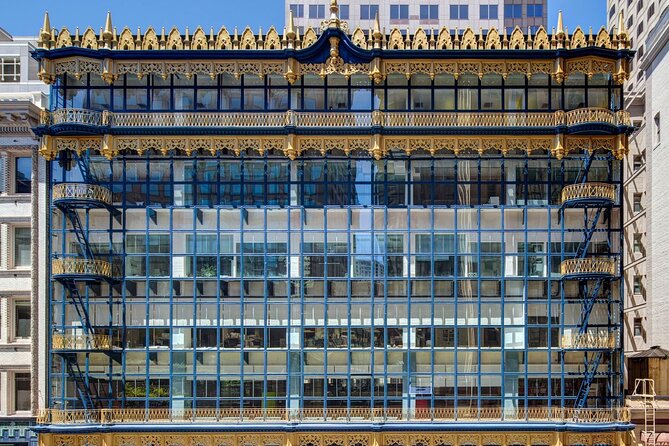
The experience lasts about two hours and 30 minutes and begins at 2:00 p.m. That timing leaves the morning open for a museum, a neighborhood visit, or a slower start. Afterward, you finish in the downtown area, making it easy to continue sightseeing or find a meal.
No transportation is included. You meet the guide at the specified starting point and travel between locations on foot. Public transportation is nearby, but you are responsible for getting to SFMOMA and handling your return plans.
The activity requires good weather. If poor conditions cancel the walk, you are offered another date or a full refund. This is worth considering during a rainy period, particularly because the tour depends on outdoor views and street-level observation.
A moderate level of fitness is required. The supplied information does not give an exact walking distance, number of stairs, or rest schedule, so you should be prepared for a continuous city walk rather than assume frequent seated breaks. Comfortable shoes are the sensible choice.
Sorting Out the Meeting and End Points
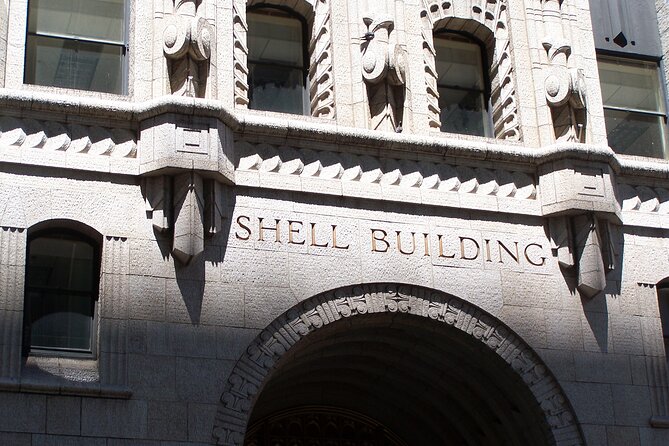
The start point is clear: the front entrance of SFMOMA, 151 Third Street, San Francisco. The stated start time is 2:00 p.m.
The end information contains two downtown references. One gives 264 Bush Street, San Francisco, while another mentions 130 Bush Street near the corner of Market and First Street. Since both locations are supplied, check the confirmation details before setting up a pickup, dinner reservation, or connection afterward.
This is not a major problem for most people because both references are in the central business area, but it is worth knowing in advance. Do not plan a tight transfer immediately after the walk until you have confirmed the precise finishing point.
Is the Tour Good Value?
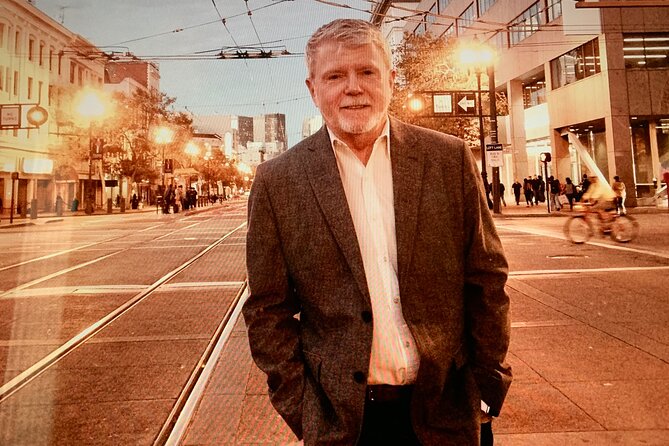
No price is provided here, so I cannot judge the cost in dollar terms. I can judge what you receive for the time: a small group, a specialist focus, a guide with strong San Francisco expertise, a planned route, building viewpoints, urban-planning context, and a detailed handout.
That package offers better value for you if architecture is a main interest. You are paying for interpretation and access to a carefully chosen route, not for transportation, museum entry, or a long list of general attractions.
If you only want quick photographs of famous landmarks, this may feel too focused. A standard sightseeing bus or broad city tour would cover more ground with less walking. If you want to understand why downtown looks the way it does, the focused format makes more sense.
The tour also works well for repeat visitors. You may have walked through the Financial District many times without knowing what you were seeing. A guide can turn familiar streets into a more thoughtful experience, and the handout gives you something concrete to revisit.
Who Should Book This Walk
I would choose this tour for architecture fans, urban-planning students, design professionals, history-minded visitors, and anyone who feels they have already covered San Francisco’s headline sights.
It also suits a curious first-time visitor who wants an alternative to the usual route. You will not get every major attraction in the city, but you will gain a sharper understanding of one central district.
Families with older children may enjoy it if they can manage a 150-minute walking experience and listen to an extended discussion. Very young children may find the pace and subject less engaging. The moderate fitness requirement should guide your decision more than the small group size.
The tour has received a 5 out of 5 rating from 13 published ratings, with 100 percent recommending it. That is a small sample, so I would not treat the number as a guarantee. Still, the consistent praise centers on the same useful qualities: strong teaching, unusual building viewpoints, an easy pace, and a better appreciation of San Francisco’s architecture.
Should You Book the San Francisco Architecture Walking Tour?
Book it if you want San Francisco explained through its buildings rather than just photographed from outside. The strongest reasons are the small group, Rick’s clear enthusiasm for the city, the mix of classic and modern design, and the focus on buildings and urban spaces that broad sightseeing walks can miss.
Skip it if you dislike walking, need transportation between sights, or want entry to SFMOMA included. Also confirm the exact end address before booking a same-day commitment.
For the right audience, this is a focused and thoughtful way to spend an afternoon downtown. You may leave with fewer postcard images than from a standard city tour, but you should see the streets with a much sharper eye.
FAQ
Where does the San Francisco Architecture Walking Tour begin?
It begins at the front entrance of the San Francisco Museum of Modern Art, 151 Third Street, San Francisco, California 94103.
What time does the tour start?
The stated start time is 2:00 p.m.
How long does the walking tour last?
The tour lasts approximately two hours and 30 minutes.
Is admission to SFMOMA included?
No. Admission to SFMOMA is not included. The museum is the meeting location for the walking tour.
Is transportation included?
No. You must meet the guide at the specified location, and the tour does not provide transportation between locations.
How large is the group?
The activity has a maximum of 10 people.
What happens if the tour is canceled because of bad weather?
You will be offered a different date or a full refund if poor weather causes the experience to be canceled. Free cancellation is also available when you cancel at least 24 hours before the start time.
Recently added around San Francisco
- Guided Private Wine Tour to Napa and Sonoma Wine Country★ 5.0 · 3 reviews
- San Francisco: Muir Woods Giant Redwoods & City Private Tour★ 5.0 · 3 reviews
- San Francisco Chinatown Food and Culture Tour★ 5.0 · 3 reviews
- San Francisco City Half-Day Private Custom Tour★ 5.0 · 3 reviews
- Napa or Sonoma Private Wine Tour from San Francisco★ 5.0 · 3 reviews
- SFO Pick-Up with City Sightseeing Tour★ 5.0 · 3 reviews
- 6-Hour Luxury Napa Wine Tasting Tour with Route Planning★ 5.0 · 3 reviews
- 6-Hour Sparkling Wine Tour of Napa Valley★ 5.0 · 3 reviews
Walking Tours, compared.

North Beach & Little Italy Walking Tour: Food, History & Flavor
Read our review →
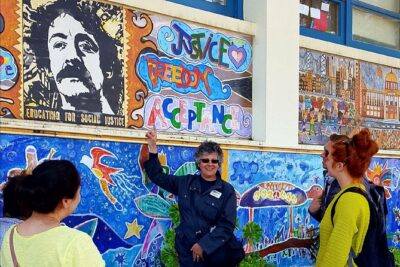
San Francisco LGBTQ Walking Tour with Local Guide
Read our review →

Browse the lists this tour appears in