
Reviewed · FOOD & DRINK
Secret Food Tours San Francisco
The best part of Secret Food Tours San Francisco is the way a plate of food opens the door to the Mission District. You move from a famous taqueria to a 65-year-old bakery, a Cuban snack, and a small local chocolate maker, with murals and neighborhood stories tying it all together. The food has real local character, not just familiar tourist fare.
I like the small-group format and the six substantial tasting stops. I also like that guides such as Mark, Dave, Harrison, Zachary, Corey, and Nathan bring their own style to the walk, from restaurant knowledge to quirky neighborhood details. The main drawback is the menu: it is fairly carb-heavy, and the tour is not gluten-free. Come hungry, and wear good walking shoes.
In This Review
- Key points at a glance
- Why the Mission District makes such a good food tour
- Starting at 1268 Valencia Street
- The Mission burrito sets the pace
- Quesabirria brings the heart of Mexico
- Sweet bread from a 65-year-old bakery
- Cuban mariquitas add a wider view
- Small-batch chocolate instead of the usual famous name
- The secret dish keeps the menu flexible
- Guides make the walk personal
- Is $90 a fair price?
- Who should book this Mission food walk?
- Should you book Secret Food Tours San Francisco?
- FAQ
- How long is Secret Food Tours San Francisco?
- Where does the tour begin?
- Where does the tour end?
- How much does the tour cost?
- What food will I try?
- Is the tour gluten-free?
- What language is the tour offered in?
- How much walking is involved?
- Can I cancel or pay later?
Key points at a glance
- A Mission-style burrito starts the meal: You visit one of the area’s best-known taquerias for a filling local classic.
- Quesabirria brings Mexican flavor: This rich, cheesy dish is one of the main food highlights.
- Murals are part of the tour: Political street art appears along main roads and neighborhood passages.
- The stops cross cultures: Mexican, Cuban, and San Francisco craft food traditions share the route.
- Six tastings are included: Food, desserts, drinks, and the guide are covered in the $90 price.
- Expect a three-hour walk: Stops are usually separated by five to ten minutes on foot.
Why the Mission District makes such a good food tour
San Francisco’s Mission District is not a one-note neighborhood. Irish, German, and Italian immigrants shaped its earlier chapters, while Latino culture later became central to the area’s identity. That mix helps explain why the food here feels broader than a simple taco crawl.
This tour uses food as a way to explain those changes. You are not just handed a burrito and sent on your way. Your guide connects local businesses, immigrant communities, street art, and the people who line up for these foods today.
That context matters. A taqueria is more interesting when you understand why the Mission-style burrito became such a local institution. A bakery stop means more when you know it has served the neighborhood for decades. The route gives you a useful first look at how culture is expressed through everyday eating.
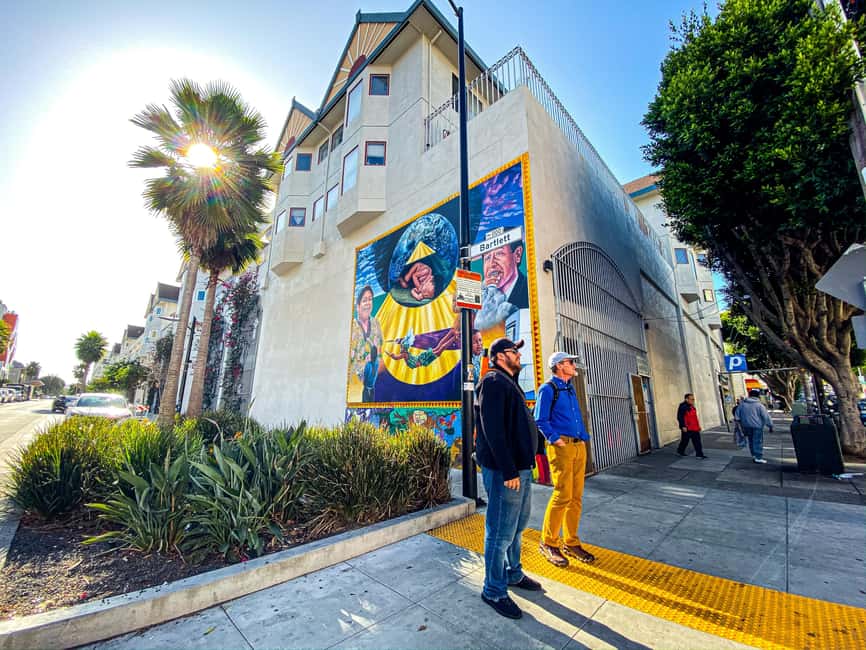
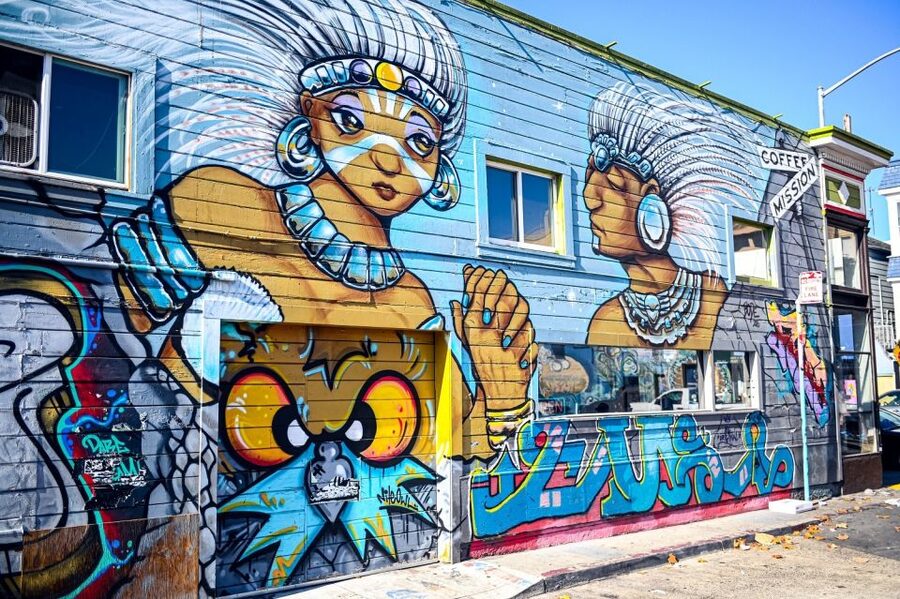
The walk also includes political murals, which add another layer. The artwork is not merely colorful scenery for photographs. It reflects community concerns and local voices, and guides often pause to explain what you are seeing. The mural viewing is one of the strongest parts of the experience for anyone who wants more than a restaurant-to-restaurant march.
More Food & Drink Tours in San Francisco
- North Beach & Little Italy Walking Tour: Food, History & Flavor
★ 5.0 · 1,044 reviews - San Francisco Authentic Food Tour with 5 Locals Favorites Dishes
★ 5.0 · 852 reviews - Chinatown Walking Tour: Food, History & Flavor
★ 5.0 · 575 reviews
Starting at 1268 Valencia Street
Meet your guide at 1268 Valencia Street, where you will look for an orange umbrella. The tour begins and ends at the same place, so you do not need to arrange a ride back from an unfamiliar part of town.
The meeting point on Valencia Street puts you in the right setting from the start. This is a neighborhood walk, not a coach excursion, and the five-to-ten-minute stretches between food stops keep the pace manageable. You will want comfortable shoes, since the food is spread through the district and the walk may add up to many city blocks.
Bring a camera if you enjoy street art. The murals are a major visual part of the route, and the best moments may come between the official tasting stops.
The tour runs for about three hours, though one group found that it lasted well beyond the scheduled time. That may be welcome if you have a relaxed day, but do not book a tight appointment immediately afterward. Traffic can also affect arrival. The company has helped late-arriving participants reach the group, but it is still wise to allow extra time.
The Mission burrito sets the pace
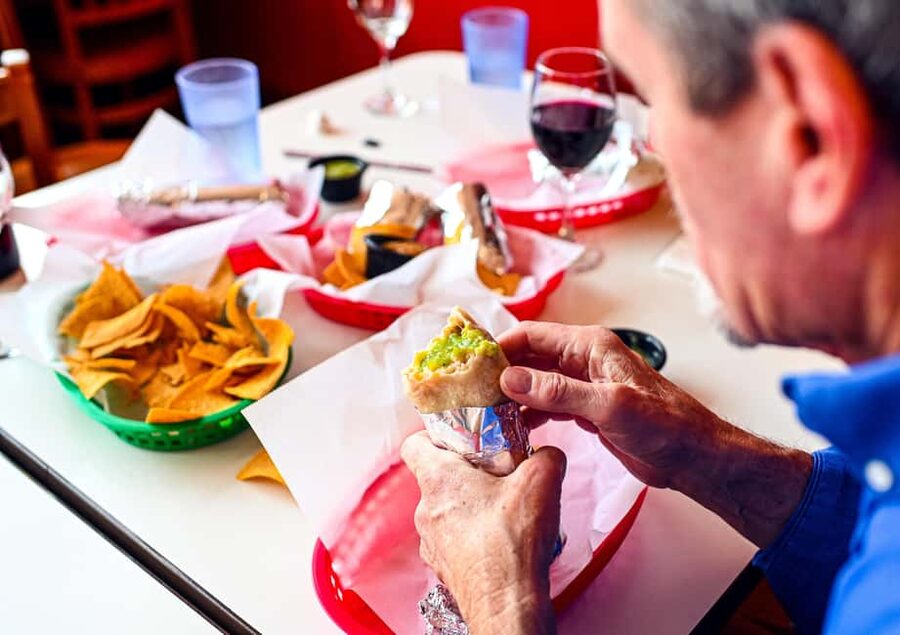
The first major stop is a taqueria known for its Mission-style burrito. This is not a small sample designed merely to tease your appetite. It is one of the filling foods that shapes the whole meal, so arrive hungry.
A Mission burrito typically combines a large flour tortilla with several substantial fillings, and the tour uses it to introduce one of the district’s best-known food traditions. The point is less about finding a delicate dish and more about seeing how practical, generous food became part of San Francisco’s local identity.
This first stop also gives your guide a chance to explain how Latino food became so closely tied to the district. You can ask questions as you eat, and the small group makes conversation easier than it would be on a large bus tour.
The practical warning is simple: do not eat a large breakfast. The burrito is followed by several more tastings, and the full menu can feel like lunch, dessert, and snacks rolled together.
Quesabirria brings the heart of Mexico
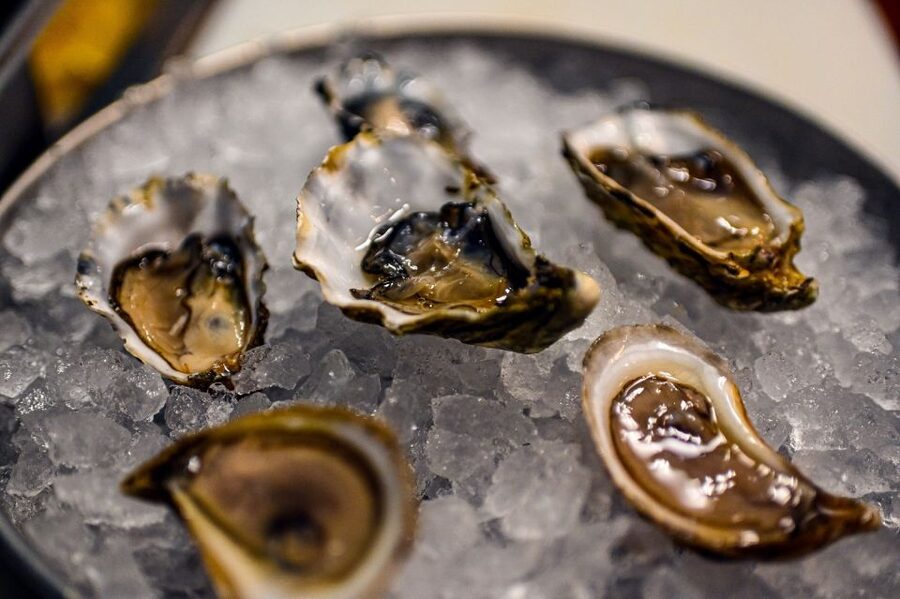
Next comes quesabirria, a dish that has become widely loved well beyond its Mexican roots. Expect a rich, cheesy preparation with a strong savory profile. It is another hearty stop, so pace yourself rather than treating each dish as a separate meal.
This part of the tour works especially well for people who want to try something they may not encounter at home. The guide can explain the dish and its place within the local food scene, while the group gets to share a table and compare impressions.
The sequence also makes sense. You begin with the Mission’s famous burrito, then move to a dish tied more directly to Mexican cooking traditions. The food tells a cultural story without turning the experience into a lecture.
If you prefer light, fresh dishes, this may be one of the less appealing parts of the menu. One participant found the overall food selection heavy on carbohydrates. That is worth knowing before you book, especially if you prefer salads, vegetables, or seafood-focused tours.
More food tours in San Francisco:
- San Francisco: North Beach and Little Italy Food Tour
★ 4.8 · 188 reviews - Ultimate Electric SF Bike Tour- food, icons & local hidden gems
★ 5.0 · 182 reviews - Mission District Food Tour: Appetizers, Entrée and Dessert
★ 5.0 · 182 reviews - Exclusive North Beach Food Tour in San Francisco
★ 5.0 · 162 reviews
Sweet bread from a 65-year-old bakery
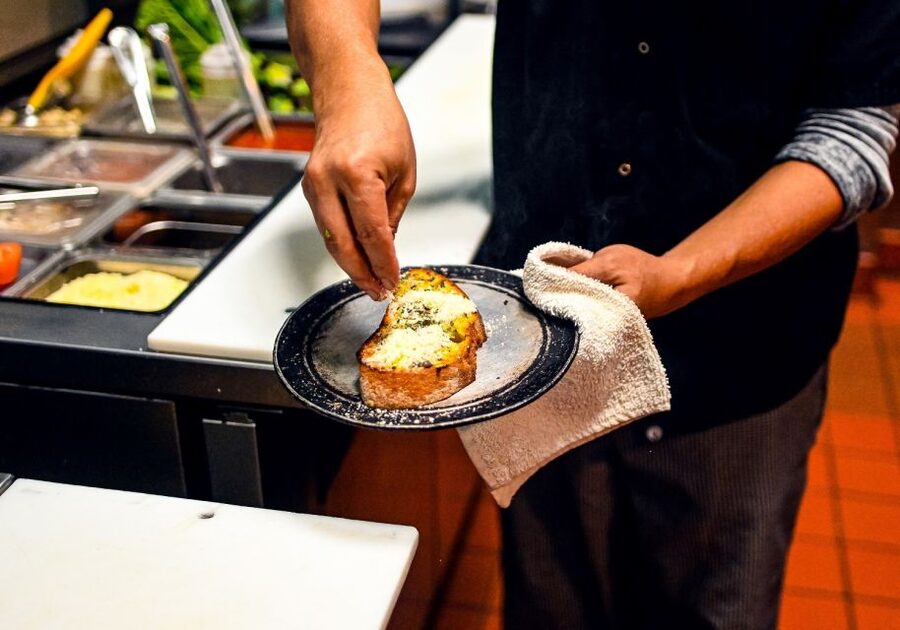
No visit to the Mission is complete without traditional sweet bread, and the tour sources this from a bakery with 65 years of local presence. The exact pastry selection can change, but pineapple pastry and similar sweet baked items have appeared as part of the food lineup.
This stop gives the meal a different rhythm. After the savory burrito and quesabirria, the bakery provides a softer, sweeter taste of the neighborhood. It also shows how a long-running local business can become part of a community’s daily routine.
The bakery stop is valuable because it feels tied to place. You are not simply trying a generic dessert selected for convenience. You are tasting something associated with a shop that has served the area for generations.
Still, the meal does not become lighter here. If you have a sweet tooth, you will be pleased. If you are already full after the first two stops, take small bites and save room for the remaining food.
Cuban mariquitas add a wider view
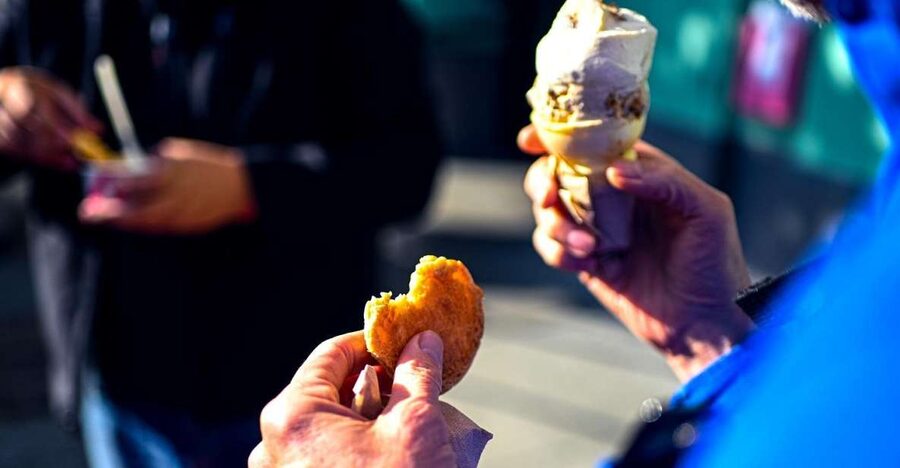
The Mission’s cultural story extends beyond Mexican food. You will also try mariquitas, crisp plantain chips widely associated with Cuban street food. This small snack helps show how the district’s food culture has grown through many immigrant influences.
I like this kind of stop because it keeps the tour from becoming predictable. The route does not simply repeat tacos, burritos, and salsa. It uses one snack to point toward the wider international influence found in San Francisco.
The mariquitas may be a highlight if you enjoy crunchy, salty foods. If you prefer more substantial or fresh ingredients, this will feel more like a brief interlude than a major course. The tour includes several different textures and styles, but it is still a tasting walk built around generous, filling foods.
One participant did not enjoy every item, including an Indian samosa near the end of the tour. That is a useful reminder that taste is personal, and the menu does not offer a choice for every stop.
Small-batch chocolate instead of the usual famous name
For a sweet finish, the tour visits a San Francisco-owned, small-batch bean-to-bar chocolate maker. It is specifically not Ghirardelli, which is part of the appeal. You get a look at a smaller local business rather than another stop at one of the city’s most familiar tourist brands.
The chocolate provides a welcome change after the bakery and savory dishes. It also adds a modern craft-food angle to a route otherwise grounded in long-standing neighborhood traditions.
The exact chocolate tasting can depend on what is available that day. An iced chocolate has been included on some tours, and the final item may be paired with the company’s secret dish. Because the menu can change with weather, availability, and other conditions, do not expect a fixed restaurant menu.
This is one of the tour’s better value points. You are paying not only for bites, but also for access to independent food businesses that might be harder to find on your own.
The secret dish keeps the menu flexible
The final tasting is a secret dish. Its mystery adds a little fun, but it also means you cannot plan the menu around a particular food. The operator may adjust the selection based on what the locations have available.
That flexibility is normal for a small food tour. It lets the guide and local businesses serve food at its best rather than promising an item that may not be practical on a particular day. It also means you should tell the booking provider about any serious dietary limits before reserving, although the tour is explicitly not gluten-free.
The menu has included items such as sourdough, pineapple pastry, iced chocolate, and an Indian samosa alongside the listed Mexican and Cuban foods. This range is part of the fun, but it explains why the experience may feel more like a broad neighborhood tasting than a tightly themed Mexican food tour.
Guides make the walk personal
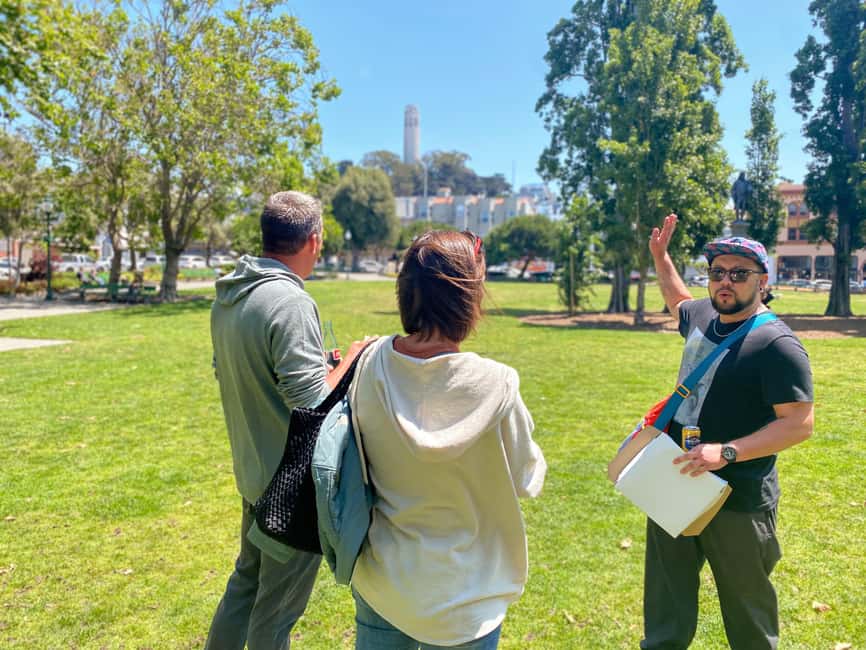
The strongest element of the tour is the guide. Mark has restaurant-industry experience and a strong grasp of the local businesses and food. Dave has been praised for combining community history with a genuine affection for the district, while Harrison brings humor and unusual details, including a story about a brick-circle water tank that even local listeners found new.
Zachary has handled groups with a wide age range, including teenagers, middle-aged adults, and seniors. Corey has been noted for keeping the pace comfortable while weaving artwork and neighborhood history into the food stops. Nathan has offered a clear explanation of the district’s Latino influence and shown parts of the Mission that are easy to miss on your own.
Guide assignments can change, so you should not book on the assumption that one particular person will lead your departure. What you can expect is a live English-speaking guide and a small, intimate group. That format leaves room for questions and makes it easier to chat with the people sharing the meal.
The guide quality matters because the food portions alone do not explain the $90 price. You are also paying for local interpretation, route planning, introductions to small businesses, and the chance to make sense of the murals and streets as you walk.
Is $90 a fair price?
At $90 per person, this is not the cheapest way to eat in the Mission. You could buy individual tacos, pastries, and drinks for less if you already know where to go.
The value improves when you count the six stops, desserts, drinks, and three-hour guided walk. You also avoid the work of choosing restaurants, finding the bakeries, and building a route between them. For a first visit, that convenience has real value.
The small group and local guide add more. You receive explanations of the district’s food, art, and immigrant communities instead of simply collecting dishes. Several participants considered the tour a strong value because the food was plentiful and the guide added substantial context.
I would compare it with the cost of a full lunch plus a few snacks, then ask how much you value expert planning. If you want a self-guided food crawl and have plenty of time to research, the price may feel high. If you want one organized introduction to the Mission, the package is easier to justify.
Who should book this Mission food walk?
This tour suits first-time San Francisco visitors who want to understand the Mission through food and street art. It also works for California residents who have spent time in San Francisco but have not explored this district closely.
Come with an appetite and a willingness to try foods outside your normal routine. The route is a good match for people who enjoy Mexican and Latin American flavors, baked sweets, craft chocolate, and neighborhood stories.
Families and mixed-age groups can also fit comfortably, provided everyone can manage a three-hour walking tour. A group with a teenager, adults, and seniors had a positive experience with the guide engaging each person.
You may want another tour if you need gluten-free food, want a low-carbohydrate menu, or prefer to choose every dish in advance. The walk is also less suitable if you need a strictly timed afternoon, since one group found it ran longer than expected.
Book by choosing a start time that leaves breathing room before and after the tour. Cancellation is free up to 24 hours in advance, and you can reserve now and pay later, which helps if your San Francisco schedule is still shifting.
Should you book Secret Food Tours San Francisco?
I would book this tour if you want a generous introduction to the Mission District, especially if you value stories as much as samples. The burrito, quesabirria, bakery stop, mariquitas, craft chocolate, murals, and secret dish create a varied three hours, while the small group keeps the outing personal.
The strongest reasons to go are the guides, the local businesses, and the way the food connects to the district’s changing communities. The main cautions are the heavy menu, the lack of gluten-free options, and the possibility that the tour may run beyond three hours.
For $90, it is best viewed as a guided neighborhood meal rather than a cheap tasting sampler. Bring comfortable shoes, bring a camera, skip the big breakfast, and leave enough time afterward to digest both the food and the stories.
FAQ
How long is Secret Food Tours San Francisco?
The tour lasts about three hours. One group found that its experience ran longer than scheduled, so avoid arranging an appointment immediately afterward.
Where does the tour begin?
It begins at 1268 Valencia Street, San Francisco, California 94110. Your guide will be waiting with an orange umbrella.
Where does the tour end?
The activity ends back at the meeting point on Valencia Street.
How much does the tour cost?
The listed price is $90 per person. Food, desserts, drinks, the guided walk, and six tasting stops are included.
What food will I try?
The planned tastings include a Mission-style burrito, quesabirria, traditional sweet bread from a 65-year-old bakery, Cuban mariquitas, craft chocolate, drinks, and a secret dish. The menu may change with availability, weather, and other conditions.
Is the tour gluten-free?
No. The tour is not gluten-free.
What language is the tour offered in?
The live guided tour is offered in English.
How much walking is involved?
The experience is a walking tour through the Mission District. The walk between stops is around five to ten minutes, and comfortable shoes are recommended.
Can I cancel or pay later?
You can cancel up to 24 hours in advance for a full refund. You can also reserve your place and pay later.
Recently added around San Francisco
- Guided Private Wine Tour to Napa and Sonoma Wine Country★ 5.0 · 3 reviews
- San Francisco: Muir Woods Giant Redwoods & City Private Tour★ 5.0 · 3 reviews
- Napa or Sonoma Private Wine Tour from San Francisco★ 5.0 · 3 reviews
- San Francisco Chinatown Food and Culture Tour★ 5.0 · 3 reviews
- San Francisco City Half-Day Private Custom Tour★ 5.0 · 3 reviews
- SFO Pick-Up with City Sightseeing Tour★ 5.0 · 3 reviews
- 6-Hour Luxury Napa Wine Tasting Tour with Route Planning★ 5.0 · 3 reviews
- Muir Woods, Sausalito and Ferry back to Fisherman’s Wharf★ 4.7 · 3 reviews
Food & Drink, compared.
North Beach & Little Italy Walking Tour: Food, History & Flavor
Read our review →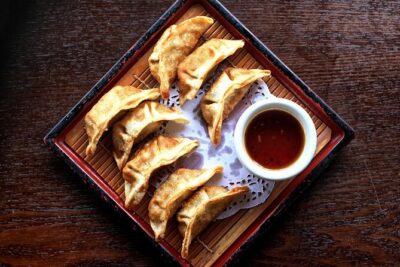
San Francisco Authentic Food Tour with 5 Locals Favorites Dishes
Read our review →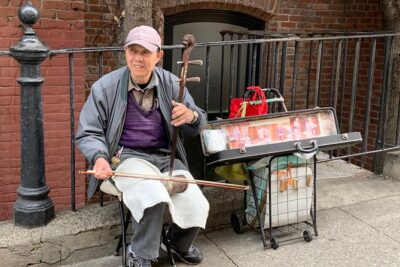
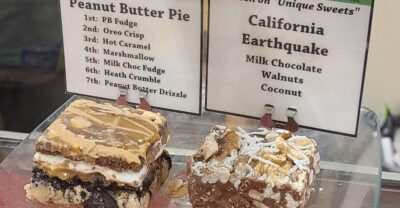

Mission District Food Tour: Appetizers, Entrée and Dessert
Read our review →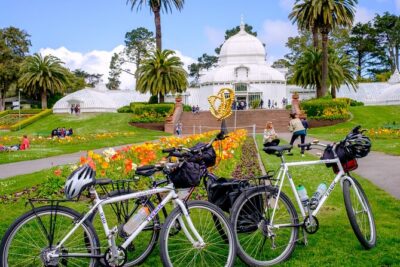
Ultimate Electric SF Bike Tour- food, icons & local hidden gems
Read our review →
Exclusive North Beach Food Tour in San Francisco
Read our review →
SF’s Chinatown: Tea & Dim Sum Food Tour – Includes full meal, 3hr
Read our review →Browse the lists this tour appears in