Reviewed · TICKETS
Ruth Bancroft Garden General Admission Ticket
The most striking thing about the Ruth Bancroft Garden is its scale in miniature: 3.5 acres packed with outsized agaves, sculptural cacti, and plants from dry regions around the world. I like that you can visit without committing to a full-day outing, then linger for a picnic or browse the nursery for plants to take home.
I also like the garden’s practical connection to Ruth Bancroft, who lived to 109 and helped show how beautiful a water-wise garden can be. The main consideration is the footing: the garden is accessible, but its paths are gravel rather than paved, so some visitors may find walking less comfortable.
In This Review
- Key points to know before you go
- A small garden with a worldwide plant collection
- Following Ruth Bancroft’s water-wise idea
- What your 1 to 2 hours will look like
- Why the agaves and large specimens matter
- Bringing lunch and making a picnic of it
- The nursery makes the $15 ticket more useful
- Access, paths, parking, and dogs
- Opening hours and the best time to allow
- Who will enjoy this garden most
- Booking, cancellations, and practical planning
- Should you book the Ruth Bancroft Garden?
- FAQ
- Where is the Ruth Bancroft Garden located?
- How much does general admission cost?
- How long should I plan for the visit?
- What are the garden’s opening hours?
- Is food available for purchase?
- Can I bring my dog?
- Is the garden accessible?
- Is parking available?
- What happens if I need to cancel?
Key points to know before you go
- 3.5 acres of unusual plants: See a large collection of succulents, cacti, and drought-tolerant plants from many parts of the world.
- A relaxed 1 to 2 hour outing: You can walk at an easy pace, stop for photographs, and still have time for the nursery or a picnic.
- Bring your own lunch: Picnic seating is scattered through the grounds, but no food is sold on-site.
- Free parking at the garden: The garden is also near public transportation.
- Dogs are welcome on leash: Service animals are allowed as well.
- A practical souvenir stop: The on-site retail nursery offers plants to take home, with some notably reasonable prices.
A small garden with a worldwide plant collection
Ruth Bancroft Garden sits at 1552 Bancroft Road in Walnut Creek, in the East Bay area near Oakland. The main attraction is not a guided walk or a formal performance. It is the pleasure of moving through a carefully arranged collection of plants that are often too large, too strange, or too striking to see in an ordinary home garden.
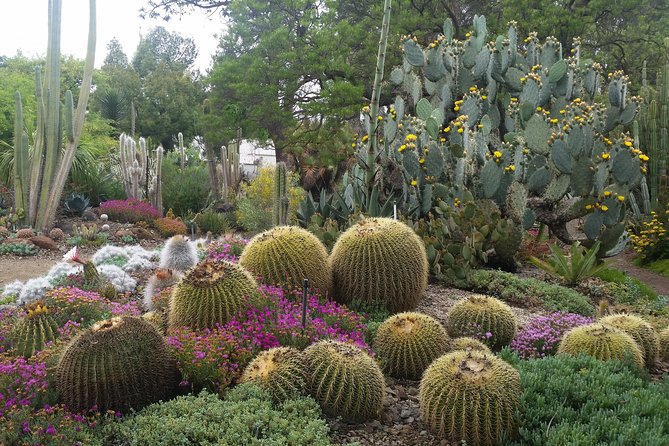
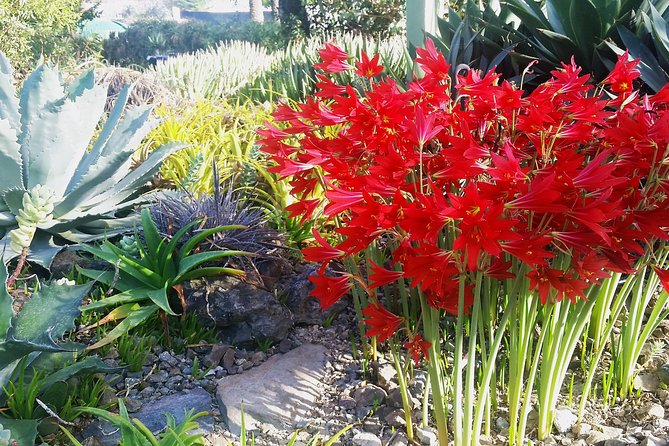
The garden focuses on succulents, cacti, and other drought-tolerant plants. That gives the visit a clear purpose. Instead of a general public park with a few planted beds, this is a place where you can compare different shapes, textures, and growing styles across a broad plant collection.
You might see enormous agaves, thick-stemmed succulents, and cacti with forms that look almost architectural. The garden’s appeal comes from close observation. Look at the way a plant stores water, how its leaves are arranged, or how a group of similar plants creates a pattern across a bed.
The collection is beautiful in every season, though the exact appearance will change during the year. If you enjoy taking photographs, sketching, or painting, you will find plenty of subjects that do not depend on a single famous view. The plants provide their own shapes and details.
A few more San Francisco tours worth comparing
- San Francisco: Alcatraz Ticket, Ferry, & Self-Guided App
★ 4.5 · 2,460 reviews - California Academy of Sciences General Admission Ticket
★ 4.0 · 586 reviews - Aquarium of the Bay General Admission Ticket
★ 3.5 · 299 reviews
Following Ruth Bancroft’s water-wise idea
Ruth Bancroft is an important part of the experience, not just a name on the entrance sign. She lived to be 109 and became a pioneer of drought-tolerant gardening. Her work helped make the case that a garden can use less water without looking plain or neglected.
That idea gives the visit more meaning than a simple plant display. You are seeing plants selected not only for their looks, but also for the way they suit dry conditions. For anyone planning a garden in California or another area with water limits, the visit can work as an outdoor idea book.
I would pay attention to combinations rather than isolated specimens. A single cactus may catch your eye, but the useful lesson comes from seeing how different plants sit together. You can note the colors, heights, spacing, and overall feel of an arrangement before trying something similar at home.
The garden also makes a good stop for people who are not serious gardeners. You do not need to know plant names to enjoy the strong forms and unusual textures. The setting is calm, and the visit gives you something specific to look at without requiring a long tour schedule.
What your 1 to 2 hours will look like
There is no detailed guided route or named guide included with admission. You arrive at the garden, redeem your ticket at the Ruth Bancroft Garden and Nursery, and explore at your own pace.
Plan on roughly 1 to 2 hours for the visit. That is enough time for a careful walk through the collection, several photo stops, and a look at the retail nursery. If you bring lunch or want to paint, you can make the outing longer.
I would avoid rushing. The garden rewards a slow pace because many of its best details are close to the ground or tucked among larger plants. Stop at the benches and chairs scattered around the grounds, then continue when you are ready.
The small maximum group size of 10 travelers can help keep the outing low-key, though admission itself is not described as a guided small-group tour. You should think of this as independent garden time rather than an escorted sightseeing experience.
Why the agaves and large specimens matter
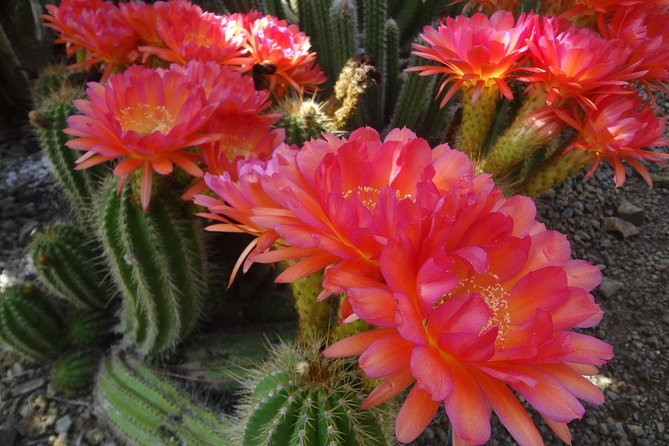
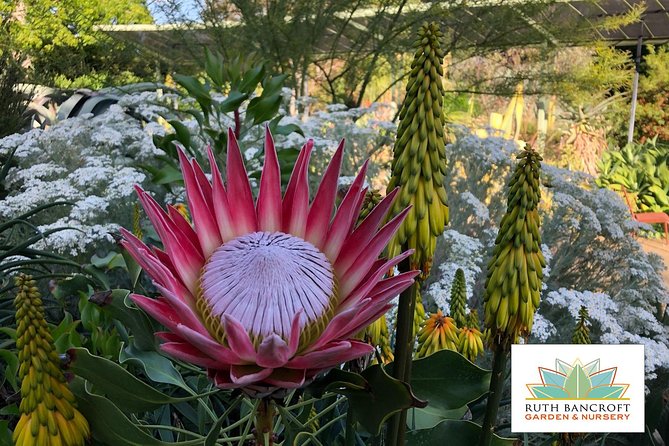
One of the strongest features is the collection of very large plants. The agaves are especially useful for showing what drought-tolerant planting can become with time and space. A plant that looks modest in a nursery pot can become a major focal point in a garden.
The large specimens also make the visit work for people who want more than plant labels and tidy flower beds. You get a sense of scale. Some plants feel almost sculpted, with broad leaves, sharp points, or heavy trunks that give the garden a distinctive character.
For photographers, the contrast is appealing. You can frame a single plant, look for repeating forms, or capture the larger arrangement of beds and paths. The garden is also suitable for painting, according to its stated uses, so an easel or sketchbook could make sense if you want to spend extra time there.
Keep in mind that the display is centered on dry-climate plants. If you are hoping for lawns, shade trees, or a traditional flower garden, this will be a different experience. The appeal is shape, structure, and plant variety rather than a constant show of blooms.
A different sort of day in San Francisco altogether:
- Muir Woods and Sausalito (Return by Bus or Ferry)
★ 4.5 · 5,098 reviews - Big Bus SF: Hop-on Hop-off Tour with 17 Stops and Sunset Option
★ 4.0 · 4,539 reviews - Napa and Sonoma Wine Country Full-Day Tour from San Francisco
★ 4.5 · 4,455 reviews - Small Group Yosemite and Giant Sequoias Day Trip from San Francisco
★ 5.0 · 3,671 reviews
Bringing lunch and making a picnic of it
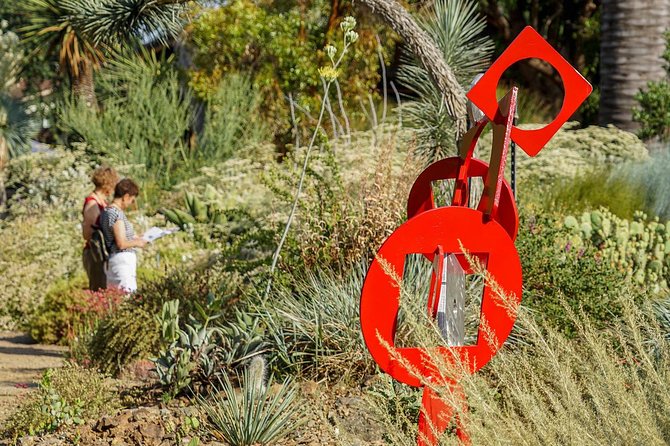
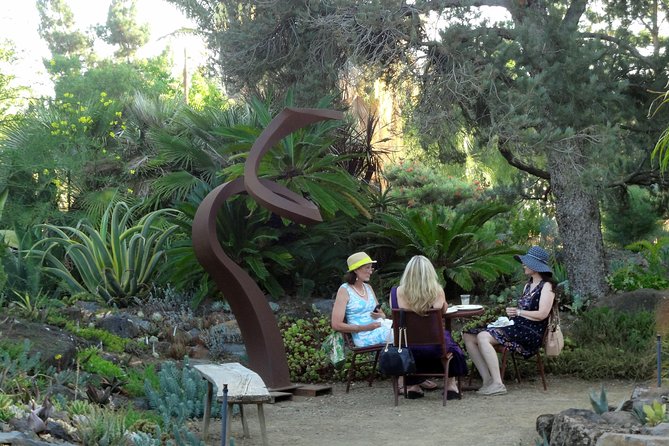
You are welcome to bring a packed lunch. Seating is spread around the garden and includes wooden benches, chairs, and several sets of café tables. This makes the ticket more flexible than a quick walk-through attraction.
I like this option for families and friends who want a quiet break without adding a restaurant reservation. You can explore first, eat later, or settle in when you find a pleasant spot. A picnic also makes sense if you want to spend more than the basic 1 to 2 hours on the grounds.
There is one important catch: no food is sold on-site. Bring everything you plan to eat and drink with you. The garden is not a place to arrive hungry and expect to buy lunch at the entrance.
Because the garden has scattered seating rather than one central dining area, you may want to choose your preferred spot after walking around. That lets you find a table or bench that suits your group and gives you a comfortable pause between sections.
The nursery makes the $15 ticket more useful

Admission costs $15 per person. That is fair value if you like gardens, photography, or unusual plants, especially because the visit can include a picnic and a nursery stop. You are not paying only for a short look at one display. You get access to 3.5 acres and can set your own pace.
The retail nursery adds another layer of value. You can browse plants to take home and use what you saw in the garden as a guide. The nursery is also a practical reason to visit even if you are already familiar with succulents and cacti.
Prices for plants have been described as notably reasonable, which is useful if you want a souvenir that is more meaningful than a postcard. Still, remember that your purchase will need suitable care after you leave. The garden can inspire an idea, but your home conditions may differ.
I would set a simple budget before entering the nursery. It is easy to turn a $15 visit into a larger purchase once you start imagining new plants in your own yard. That is not a problem, but it is worth planning for.
Access, paths, parking, and dogs
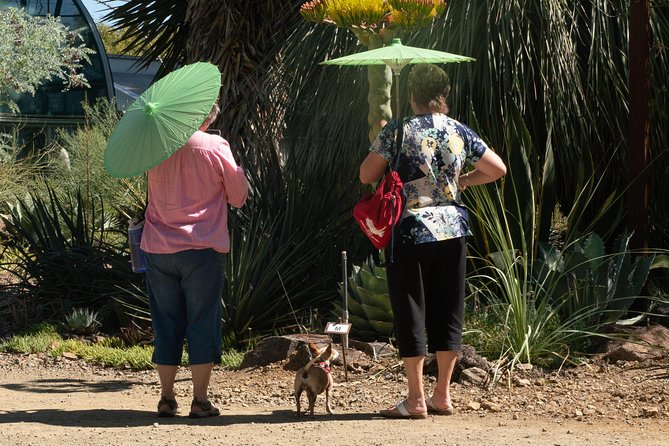
The garden is handicapped accessible, but the paths are gravel rather than paved. That distinction matters. You can access the garden, yet wheelchairs, walkers, and anyone with balance or mobility concerns may find the surface less easy than a smooth walkway.
Seating is available throughout the grounds, so you can take regular breaks. If path conditions are important for your visit, consider that the garden’s accessibility does not mean every part will feel equally effortless.
Parking is free, which helps keep the total cost down. The site is also near public transportation, giving you another way to reach it. The information provided does not specify a particular bus or rail route, so check current local transit details before setting out.
Dogs are welcome if kept on leash. Service animals are allowed. This makes the garden a more flexible choice for a relaxed outing, but your dog will need to stay under control around plants, paths, and other people.
Opening hours and the best time to allow
The garden is open Wednesday through Sunday from 9:00 a.m. to 4:00 p.m. The listed operating period runs through February 16, 2027. Check the current schedule when planning a later visit, since garden hours can change.
Morning is a sensible choice if you want a quieter, cooler start and enough time for lunch afterward. It also gives you room to browse the nursery without watching the clock. An early visit works well for photographers too, since you can take your time before moving on to other East Bay plans.
Because the garden closes at 4:00 p.m., this is not a late-afternoon attraction. Arrive with enough time for the walk, especially if you want to picnic or shop. A rushed final half-hour would undercut the relaxed pace that makes the visit appealing.
The garden is offered in English, though admission does not include a named guide or a guided talk. You should come prepared to explore independently.
Who will enjoy this garden most
I would recommend the visit to:
- Gardeners looking for drought-tolerant planting ideas
- People who enjoy cacti, succulents, and unusual plant forms
- Photographers, painters, and sketchers
- Families wanting a simple outdoor outing
- Friends planning a picnic
- Dog owners looking for a leashed-dog-friendly stop
- Visitors who want a calm activity near Oakland and Walnut Creek
It is less suited to anyone seeking a major museum, a long narrated tour, or a restaurant-based day out. The garden is quiet and self-guided in feel. You need to enjoy looking closely and setting your own rhythm.
For children, the visit may work best when paired with a clear plan: walk through the collection, identify favorite plants, eat a picnic, then choose a small nursery purchase. Without that structure, younger children may lose interest faster than adults who enjoy plant details.
Booking, cancellations, and practical planning
Confirmation is provided at the time of booking. The experience is often reserved about 12 days ahead, so you may want to book in advance if your schedule is fixed, especially for a weekend visit.
Free cancellation is available when you cancel at least 24 hours before the experience start time. Cancellations made within 24 hours are not refunded, and changes inside that same window are not accepted. The cut-off follows local time.
You do not need to plan around a food stop at the garden. Pack lunch and drinks before arriving. Free parking, available seating, and the nursery make it easy to keep the day simple and contained.
Should you book the Ruth Bancroft Garden?
Book it if you want a peaceful, plant-focused outing with a strong collection of cacti, succulents, and drought-tolerant specimens. The $15 price is reasonable for 3.5 acres, free parking, picnic access, and the chance to buy fairly priced plants afterward.
I would make this a morning stop, bring lunch, wear comfortable shoes for gravel paths, and leave room in the car for a nursery purchase. Skip it if you need a fully guided experience, smooth paved paths throughout, or on-site food. For gardeners and anyone curious about water-wise planting, this is a practical and enjoyable choice.
FAQ
Where is the Ruth Bancroft Garden located?
The garden is at 1552 Bancroft Road, Walnut Creek, California 94598, USA.
How much does general admission cost?
General admission costs $15 per person.
How long should I plan for the visit?
Plan on approximately 1 to 2 hours, though you can stay longer if you picnic, paint, take photographs, or browse the nursery.
What are the garden’s opening hours?
The garden is open Wednesday through Sunday from 9:00 a.m. to 4:00 p.m.
Is food available for purchase?
No food is sold on-site. You may bring a packed lunch and enjoy a picnic on the grounds.
Can I bring my dog?
Yes. Dogs are welcome when kept on leash. Service animals are also allowed.
Is the garden accessible?
The garden is handicapped accessible, but its pathways are gravel rather than paved.
Is parking available?
Yes. Free parking is available at the garden.
What happens if I need to cancel?
You can receive a full refund if you cancel at least 24 hours before the experience start time. Cancellations or changes made less than 24 hours before the start time are not accepted or refunded.
Recently added around San Francisco
- Guided Private Wine Tour to Napa and Sonoma Wine Country★ 5.0 · 3 reviews
- San Francisco: Muir Woods Giant Redwoods & City Private Tour★ 5.0 · 3 reviews
- San Francisco Chinatown Food and Culture Tour★ 5.0 · 3 reviews
- San Francisco City Half-Day Private Custom Tour★ 5.0 · 3 reviews
- Napa or Sonoma Private Wine Tour from San Francisco★ 5.0 · 3 reviews
- SFO Pick-Up with City Sightseeing Tour★ 5.0 · 3 reviews
- 6-Hour Luxury Napa Wine Tasting Tour with Route Planning★ 5.0 · 3 reviews
- Muir Woods, Sausalito and Ferry back to Fisherman’s Wharf★ 4.7 · 3 reviews
Tickets, compared.

California Academy of Sciences General Admission Ticket
Read our review →
Best Alcatraz Prison Tickets & San Francisco Combo Tour
Read our review →

San Francisco Morning City Tour & Afternoon Alcatraz Ticket
Read our review →