
Reviewed · WORKSHOPS
Asian-European Fusion Class in San Francisco (With 4-Course Meal)
San Francisco’s Asian-European fusion cooking class puts you to work rather than simply feeding you. Over about two and a half hours, you’ll shape dumplings, simmer Philippine chicken adobo, prepare a chef-selected fusion dish, and finish with seasonal fruit and ice cream. The small class size, listed as eight people, should give you useful access to the chef instead of leaving you to watch from the back.
I like the practical menu, since dumplings, adobo and garlic rice are dishes you can repeat at home. I also like the relaxed social setup: you may bring wine or beer, and one account names Dirk as an especially engaging host who kept a family involved from start to finish. The main consideration is price. At $145 per person, this is a sizable meal-and-class spend, and the exact fusion dish and chef may vary.
In This Review
- Key points at a glance
- Cooking at 90 Alvarado Street
- Bamboo dumplings and the first lesson
- Philippine chicken adobo with garlic and vinegar
- The chef’s changing Asian-European fusion dish
- Choosing the right rice accompaniment
- Seasonal fruit, ice cream and citrus to finish
- What the chef’s teaching style adds
- Is $145 a fair price?
- Who will enjoy this San Francisco class?
- Timing, cancellation and booking details
- Should you book the Asian-European fusion class?
- FAQ
- Where does the cooking class begin?
- Where does the activity end?
- How long does the class last?
- How much does the class cost?
- What food will I prepare?
- Is the fusion dish always the same?
- Can I bring wine or beer?
- Is the class suitable for dietary restrictions?
- What is the group size?
- What is the cancellation policy?
Key points at a glance
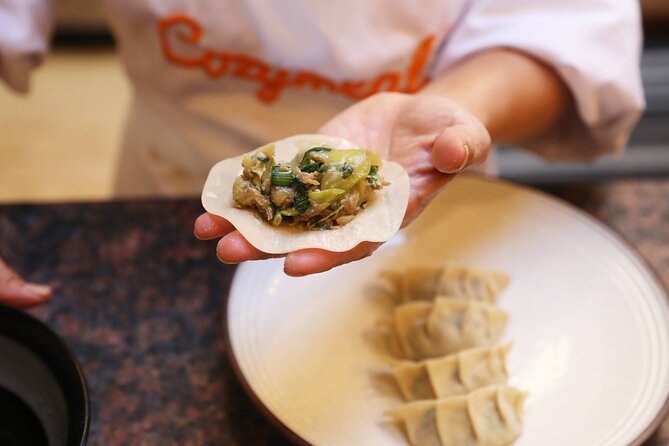
- Dumplings come first: You’ll fill and steam dumplings in bamboo baskets, then pair them with house dipping sauces.
- Adobo provides the anchor: Chicken, garlic, soy sauce, bay leaves and Datu Puti vinegar create the class’s central savory-sweet dish.
- The fusion course changes: The chef’s selection may be garlic noodles or noodle soup with beef balls and bok choy, depending on the day.
- Small-group attention matters: The class is described as limited to eight people, though the wider booking information also lists a maximum of 25.
- BYOB keeps the mood casual: Wine and beer are welcome, but you need to bring your own.
- Plan your arrival carefully: The class begins at its booked time, so arriving early is not necessary.
Cooking at 90 Alvarado Street
The class begins at 90 Alvarado Street in San Francisco and ends at the same location. That simple arrangement helps: you do not need to worry about a second meeting point, a transfer, or finding your way back after a meal and a glass of wine.
The setting is described as home-like rather than formal. That distinction matters. You should expect a hands-on evening built around conversation, shared cooking and direct instruction, not a polished restaurant demonstration where every plate appears without your help.
The class is offered in English. Confirmation comes at booking, and service animals are allowed. Dietary needs can be discussed in advance, with an effort made to adjust the menu to suit restrictions and preferences. That is useful, but I would still give the provider clear details before you arrive, especially if your needs affect sauces, meat, dairy or gluten.
One small practical tip is worth keeping: do not arrive early expecting the activity to begin ahead of schedule. A family who arrived early found that the class started exactly at the booked time. They passed the wait with a glass of wine at a shop nearby, but you can avoid the extra pause by timing your arrival sensibly.
More workshops and classes in San Francisco:
- San Francisco Whiskey Cocktail Class: Views and City History
★ 5.0 · 206 reviews - San Francisco’s Essential Chocolate Chip Cookie Workshop
★ 5.0 · 31 reviews - San Francisco: Turkish Mosaic Lamp Workshop
★ 4.2 · 12 reviews
Bamboo dumplings and the first lesson
The meal opens with bamboo basket steamed dumplings filled with seasoned ground meat. You’ll learn the basic process of handling the wrappers, adding filling, shaping the dumplings and preparing them for steaming.
This is a good first course for a class because it gives you a clear task right away. Dumpling making rewards patience more than speed. Too much filling can make sealing difficult, while too little leaves you with a flat, less satisfying bite. The lesson also gives the chef a chance to help each person directly, which is especially valuable in a group setting.
The dipping sauces are custom-made for the dish. They are not just decoration. Sauces let you compare the dumpling’s savory filling with sharper, sweeter or more aromatic flavors, depending on the chef’s preparation.
I would expect this portion to be social and tactile. You are likely to spend time at the work surface with the rest of the group, learning by doing and correcting small mistakes as you go. One couple booked the class as a surprise date activity and found the dumpling lesson memorable, in large part because the chef brought strong experience and made the process feel approachable.
The limitation is that dumpling shaping can take longer for some people than others. If you want a quiet, highly polished meal, this may feel a little messy. If you like learning a technique you can use again, it is one of the strongest parts of the evening.
Philippine chicken adobo with garlic and vinegar
The main course centers on Philippine chicken adobo. The chicken is simmered with bay leaves, garlic, soy sauce and Datu Puti vinegar, producing the familiar balance of salty, tangy and gently sweet flavors.
Adobo is a smart choice for a cooking class because the method is straightforward, but the balance takes judgment. You can learn how the soy sauce seasons the chicken, how vinegar sharpens the sauce and how garlic and bay leaf round out the pot. The dish also shows how a few strong pantry ingredients can create a full meal.
This is not presented as a watered-down version of adobo. The use of Datu Puti vinegar gives the dish a specifically Philippine character. You are not simply learning a generic soy-based chicken recipe. You are working with an ingredient linked to the dish’s cultural flavor profile.
The adobo should also help you understand timing. The chicken needs enough simmering time to become tender and absorb the sauce, while the liquid must retain its balance. You may not leave with a full restaurant-style recipe card, but you should gain a useful feel for the method.
For home cooks, this may be the most valuable course. Dumplings take practice, but adobo is the sort of dish you can prepare on a weeknight once you understand the proportions. It also pairs naturally with one of the rice choices served later.
The chef’s changing Asian-European fusion dish
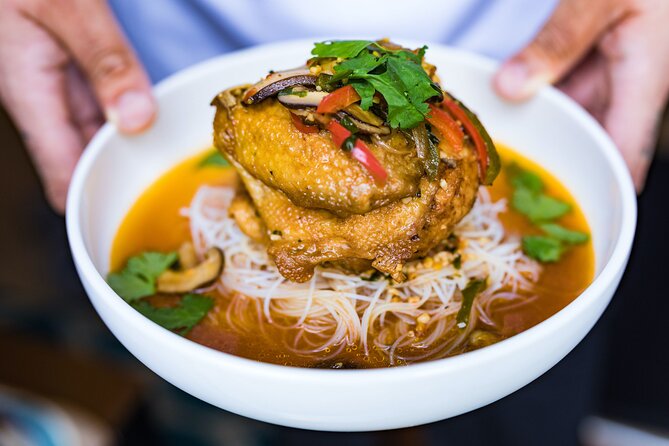
The third savory element changes with the chef’s selection and available ingredients. Examples include garlic noodles or noodle soup with beef balls and bok choy.
This rotating course is the part of the class with the greatest element of surprise. It keeps the menu from becoming a fixed cooking script and lets the chef adjust the dish to the season and the ingredients on hand. You may get a dry noodle dish with a strong garlic profile, or a soup built around beef balls and bok choy.
The phrase Asian-European fusion covers a broad range, so do not book this expecting one precise national cuisine or one guaranteed recipe. The listed examples show the general direction: Asian ingredients and techniques paired with a broader European-inspired approach to composition and presentation.
That flexibility can be a strength if you like tasting new combinations. It can also be a drawback if you are booking specifically to master one named dish. Ask about the day’s selection if the rotating course is important to your decision.
The chef also teaches plating skills. That adds value beyond the cooking itself. You’ll be shown how to arrange the finished food so the meal looks deliberate rather than simply spooned onto a plate. For home cooks, even a few simple plating ideas can make a familiar dish feel special without adding much work.
A few more San Francisco tours worth comparing
- Muir Woods and Sausalito (Return by Bus or Ferry)
★ 4.5 · 5,098 reviews - Big Bus SF: Hop-on Hop-off Tour with 17 Stops and Sunset Option
★ 4.0 · 4,539 reviews - Napa and Sonoma Wine Country Full-Day Tour from San Francisco
★ 4.5 · 4,455 reviews - Small Group Yosemite and Giant Sequoias Day Trip from San Francisco
★ 5.0 · 3,671 reviews
Choosing the right rice accompaniment
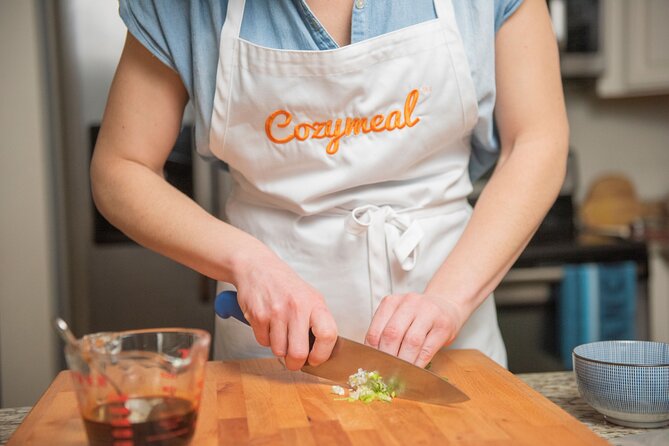
The rice selection includes white basmati rice, saffron risi e bisi or garlic rice. The booking information describes the experience as a four-course meal, while the menu lists the rice as its own accompaniment alongside the starter, adobo, fusion selection and dessert.
White basmati is the plainest option and lets the adobo carry the meal. Garlic rice brings more flavor and makes an especially natural partner for the chicken. Saffron risi e bisi offers the most European-leaning choice, with a more composed, special-occasion feel.
The choice matters because rice is not an afterthought here. A strongly flavored adobo needs a mild base, while garlic rice can reinforce the dish’s savory character. If the saffron option is available, it may provide the clearest example of the class’s cross-continental idea.
The exact availability of each option is not specified, so you should treat the list as the planned selection rather than a guarantee that all three will be served at every session. Dietary requests should also be raised before the class, not once the rice is already being prepared.
Seasonal fruit, ice cream and citrus to finish
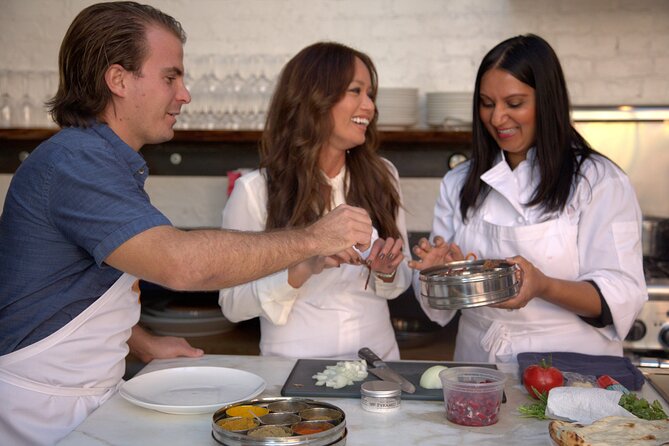
Dessert is made with seasonal caramelized fruits, ice cream and citrus. After the garlic, soy and vinegar in the savory courses, this gives the meal a cooler and sweeter finish.
Caramelizing fruit is another useful home technique. Heat concentrates the fruit’s sweetness and adds color, while citrus keeps the result from becoming heavy. The ice cream provides a simple contrast in temperature and texture.
Because the fruit is seasonal, the exact dessert may change. That is a plus if you prefer food that follows the time of year, but it means you should not expect one fixed fruit or presentation.
Dessert also gives the evening a clean ending. You have cooked several substantial dishes, eaten along the way and worked with a chef for a full session. The final course is less about learning a complex pastry and more about using a few basic techniques to make fruit feel like a proper dessert.
What the chef’s teaching style adds
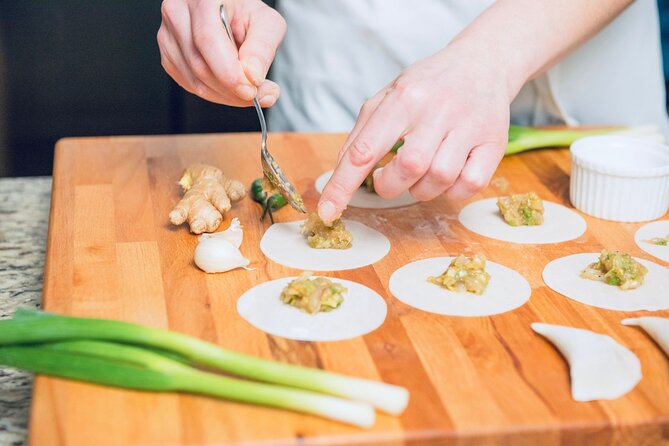
The class is led by a fusion chef who works step by step and covers both cooking and plating. One named host, Dirk, received especially strong praise for keeping a family engaged, clear and amused throughout the session. Other booking accounts refer to an impressive chef but do not provide a name, so the specific instructor may depend on your date.
That difference is worth noting when you book. The food matters, but the teacher sets the pace. A strong host can help a family with mixed ages, a couple looking for a shared activity or a first-time cook feel involved instead of lost.
The small-group format should make it easier to ask questions and receive help with dumpling folds, sauce balance or plating. The listed limit is eight people for the class. A separate activity note gives a maximum of 25, so if group size is central to your decision, confirm the number for your selected date.
Past class accounts describe the tone as engaging, clear and funny. That is important for a two-and-a-half-hour cooking session. The format asks you to stay involved for the full evening, and a dry or rushed instructor could make the time drag. Here, the available details point to a relaxed class with plenty of participation.
Is $145 a fair price?
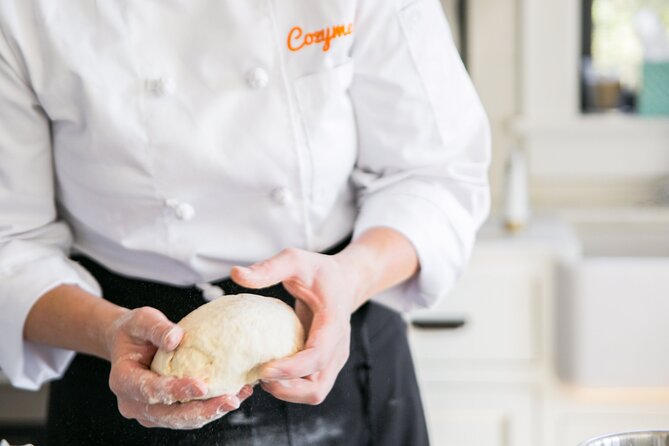
The cost is $145 per person. That is more than you would pay for a simple restaurant meal, but this price includes instruction, a hands-on venue and the full menu of dumplings, adobo, the chef’s fusion dish, rice and dessert.
I see the value most clearly if you treat the class as both dinner and an activity. You are paying for the meal, but also for the time spent learning, the chef’s guidance, the small setting and the chance to cook dishes that may be difficult to recreate confidently on your own.
The value is weaker if you mainly want to eat. A restaurant would be easier and possibly less expensive, and you would not have to spend part of the evening preparing food. This class suits you best if participation is part of the point.
The price may also make sense for a special occasion. One person booked it as a surprise for a boyfriend, and a family used it to make a shared memory. The experience has a built-in social quality that a standard dinner does not.
Wine and beer are BYOB, which gives you some control over drink costs. They are welcome during the class, but they are not included, so add that expense if you plan to bring something special.
Who will enjoy this San Francisco class?
I would recommend it most to:
- Couples who want a date activity with a real meal at the end
- Families who enjoy working together and can follow hands-on instruction
- Home cooks who want practical dumpling and adobo techniques
- People curious about Asian-European combinations without committing to a long food tour
- Small groups who prefer direct contact with the chef
It may be less suitable for you if you dislike cooking in front of others, need a very strict fixed menu or want a quiet evening. The rotating fusion course means the menu has some flexibility, and the class requires active participation.
Dietary flexibility is part of the setup, but no specific substitutions are promised. Give advance notice and ask what can be changed. This is especially important if you have allergies rather than simple preferences.
Timing, cancellation and booking details
The class lasts about two hours and 30 minutes. That is enough time for several cooking tasks and a full meal, but you should not expect a quick demonstration followed by an immediate exit.
Mobile tickets are available, and confirmation is sent when you book. The activity is offered in English and begins and ends at 90 Alvarado Street.
You can cancel for a full refund up to 24 hours before the start time. Changes or cancellations made within 24 hours are not accepted for a refund. If the minimum number of participants is not reached and the class is canceled, you will be offered another date or experience, or a full refund.
The class is booked, on average, about 14 days ahead. That does not guarantee a sellout, but it is a useful sign to reserve early if you need a particular evening or want to fit this into a short San Francisco visit.
Should you book the Asian-European fusion class?
Book it if you want dinner to be an activity, not just a reservation. The dumplings give you a hands-on start, the adobo offers a useful recipe to take home, the rotating dish keeps the menu flexible, and the small class format should support direct help from the chef.
I would hesitate only if $145 feels high for a meal, if you need a guaranteed set of dishes, or if your dietary restrictions require exact substitutions. For couples, families and curious home cooks, this is a friendly way to spend an evening in San Francisco, with enough technique to make the experience useful after the last spoonful of dessert.
FAQ
Where does the cooking class begin?
It begins at 90 Alvarado Street, San Francisco, CA 94110, USA.
Where does the activity end?
The activity ends back at the meeting point on 90 Alvarado Street.
How long does the class last?
The class lasts approximately two hours and 30 minutes.
How much does the class cost?
The listed price is $145 per person.
What food will I prepare?
You will prepare steamed dumplings, Philippine chicken adobo, a chef’s Asian intercontinental fusion dish, a rice selection and seasonal caramelized fruit with ice cream and citrus.
Is the fusion dish always the same?
No. The chef’s fusion selection changes. Examples include garlic noodles and noodle soup with beef balls and bok choy.
Can I bring wine or beer?
Yes. This is a BYOB activity, and guests may bring wine or beer to enjoy during the class.
Is the class suitable for dietary restrictions?
The class is designed to accommodate a variety of dietary needs. You should provide your preferences and restrictions in advance so the menu can be adjusted where possible.
What is the group size?
The cooking class is described as limited to eight people. A separate activity detail lists a maximum of 25 travelers for the broader activity, so confirm the exact size for your date if this matters to you.
What is the cancellation policy?
You can cancel at least 24 hours before the start time for a full refund. Cancellations or changes made less than 24 hours before the start time are not refunded or accepted.
Recently added around San Francisco
- Guided Private Wine Tour to Napa and Sonoma Wine Country★ 5.0 · 3 reviews
- San Francisco: Muir Woods Giant Redwoods & City Private Tour★ 5.0 · 3 reviews
- San Francisco Chinatown Food and Culture Tour★ 5.0 · 3 reviews
- San Francisco City Half-Day Private Custom Tour★ 5.0 · 3 reviews
- Napa or Sonoma Private Wine Tour from San Francisco★ 5.0 · 3 reviews
- SFO Pick-Up with City Sightseeing Tour★ 5.0 · 3 reviews
- 6-Hour Luxury Napa Wine Tasting Tour with Route Planning★ 5.0 · 3 reviews
- 6-Hour Sparkling Wine Tour of Napa Valley★ 5.0 · 3 reviews
Workshops, compared.
San Francisco Whiskey Cocktail Class: Views and City History
Read our review →
San Francisco’s Essential Chocolate Chip Cookie Workshop
Read our review →



Browse the lists this tour appears in