
Reviewed · NAPA VALLEY WINE TOURS
Private Farm Workshop in Napa Valley
The best thing about this private farm workshop is that it gives you a new way to see Napa Valley. Instead of moving from tasting room to tasting room, you head up Soda Canyon Road to an independent market garden, taste what is growing, and work alongside farmer Patrick. The focus is hands-on learning, not a polished farm show.
I like the seasonal tasting tour and the practical garden work. You may help plant seedlings, form a new bed, build soil, or harvest produce, depending on the time of year. I also like that Patrick makes room for questions about your own garden and local growing conditions. The main consideration is that this is a short, specialized visit, so it suits curious gardeners more than anyone seeking a broad Napa sightseeing tour. The farm location is sensitive, so contact the host before booking.
In This Review
- Key points to know before booking
- Why this farm visit makes a good Napa alternative
- The drive up Soda Canyon Road
- Starting with a tasting tour through the market garden
- Learning regenerative, no-till farming methods
- Getting your hands dirty with seasonal farm work
- Time with Patrick and advice for your own garden
- Seasonal sweets and the closing moments
- What the private format is worth
- Who should book this workshop
- Practical details to keep in mind
- Should you book the Stepping Stone Farm workshop?
- FAQ
- How long does the private farm workshop last?
- Where does the activity begin?
- What time does the workshop start?
- Is the activity private?
- What farming methods are covered?
- Will I taste food during the workshop?
- What happens if the weather is poor?
Key points to know before booking
- A wine-free Napa activity: Spend your morning in a working market garden rather than a winery.
- Patrick leads the visit: Expect clear instruction and plenty of time to ask about your own garden.
- Seasonal produce shapes the visit: What you see, taste, and do depends on what is growing at the time.
- Hands-on work is part of the deal: Planting, harvesting, bed building, and soil work may all be discussed or practiced.
- Private for your group: You will not be combined with another party.
- A 90-minute lesson with lasting value: The aim is to give you methods you can use at home, not just a pleasant morning outdoors.
Why this farm visit makes a good Napa alternative
Napa Valley is often treated as a place for wine, food, and scenic drives. This workshop adds another side of the area: small-scale farming and the daily choices behind healthy produce.
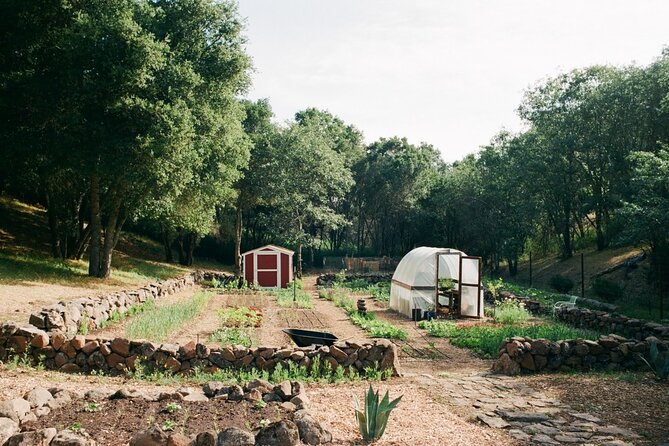
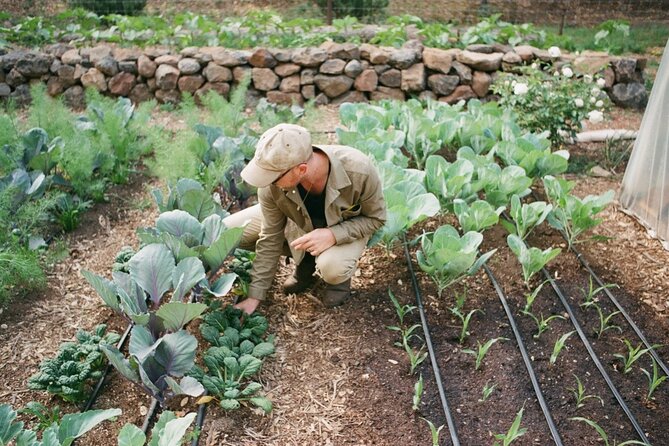
You begin at Stepping Stone Farm in the mountains above the valley. The setting matters. You are not sitting in a classroom looking at diagrams. You are seeing the soil, the plants, the beds, and the seasonal work in progress. That makes the lessons easier to connect with.
I especially like this option for someone who has already toured wineries or simply does not care for wine. It also works well for a mixed group. One person can be interested in gardening, another in local food, and another in seeing a quieter part of Napa. The visit stays centered on the farm, so nobody has to pretend to be excited about tasting another Cabernet.
The workshop is private, which gives it a more personal rhythm. You can ask about a problem in your own garden without holding up a larger group. The private format also means Patrick can spend more time on the topics that matter to you, though the total visit is still only about an hour and a half.
More Napa Valley wineries worth an afternoon:
- Napa Valley Small Group Winery Tour
★ 5.0 · 1,009 reviews - Napa Valley Wine Trolley Classic Tour
★ 4.5 · 701 reviews - Hot Air Balloon Rides in Napa Valley
★ 4.5 · 592 reviews
The drive up Soda Canyon Road
The meeting point is on Soda Canyon Road, California 94558, and the activity begins at 10:00 a.m. The precise location is sensitive, so you should contact the host before booking to discuss the meeting details.
The approach takes you into an area above Napa Valley that you might not otherwise see. A drive up into the hills is part of the appeal, but this is not advertised as a separate sightseeing drive. Keep your attention on the meeting instructions and allow enough time to arrive at the stated start time.
The visit ends back at the meeting point. No separate transportation, pickup service, or transfer is included in the supplied details, so plan on getting yourself to Soda Canyon Road.
Starting with a tasting tour through the market garden
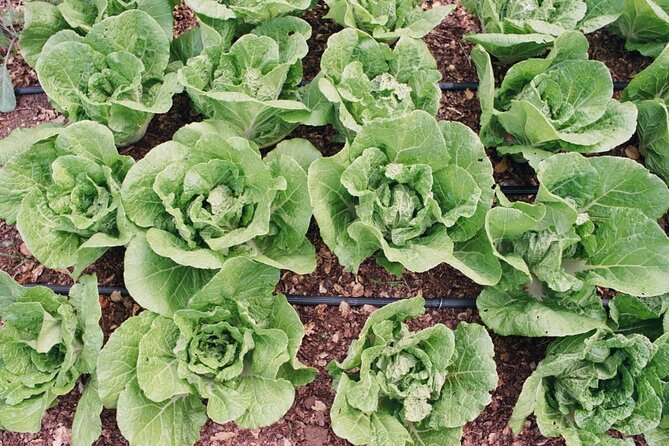
The first part of the workshop is a walk through the market garden. Patrick introduces the fruits and vegetables currently in production, and you taste seasonal produce as you go.
This is more than a sampling stop. Patrick uses the plants to explain seasonality, timing, and vegetable selection. You begin to see why a garden is not simply a list of crops that you plant whenever you feel like it. The right choice depends on the time of year, the local conditions, and the role each plant plays in the garden.
The exact produce will change. That is one of the strengths of the visit, but it also means you should not arrive expecting a fixed menu. The farm serves seasonal sweets at the end, and the produce tasting also changes with the growing cycle.
I find this opening especially useful for beginners. You can look at a plant and ask basic questions without needing to know gardening terms in advance. If you already grow food, the walk gives you a chance to compare your own choices with the methods used here.
The garden tour also sets up the workshop’s larger idea: farming means working with natural systems rather than forcing every result. You will talk about finding your place in the ecosystem and building a better relationship with nature through practical work. The language is broad, but the teaching stays tied to what you can see in the beds.
Learning regenerative, no-till farming methods
The central subject is regenerative no-till farming. In plain terms, the workshop looks at ways to build healthier soil and stronger plants while disturbing the ground less.
You will learn how soil can be built rather than treated as an empty medium that simply holds roots. The visit also covers plant health and the connection between garden decisions and the wider ecosystem. Since the lesson takes place in an active market garden, these ideas are shown in context.
The term regenerative can mean different things to different growers. Here, the emphasis is on practical methods used in the farm’s day-to-day work. You are not promised a lecture filled with abstract theory. Instead, the teaching connects soil building, planting, bed formation, and harvesting.
This section is most useful if you want to change how you garden at home. You may leave thinking differently about soil preparation, planting schedules, and the amount of disturbance your beds need. The workshop cannot solve every growing problem in 90 minutes, but it can help you ask better questions.
A different sort of day in Napa and Sonoma altogether:
- Sonoma Valley Open Air Wine Trolley Tour
★ 4.5 · 782 reviews - Napa Valley Daily Join In Group Wineries Tour Including Lunch
★ 4.5 · 476 reviews - #1 Sonoma Walking Food, Wine Tasting & History Tour (Public Tour)
★ 5.0 · 457 reviews - Sonoma Wine Country Electric Trike Tour – 3 hours
★ 5.0 · 331 reviews
Getting your hands dirty with seasonal farm work
After the garden walk, you take part in seasonally appropriate tasks. The exact activity depends on what needs doing at the time of your visit.
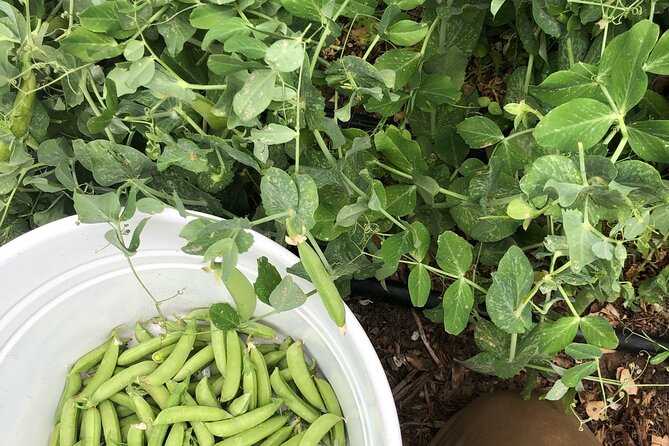
Possible work includes planting seedlings, forming a new garden bed, learning how to build soil, and practicing proper harvest methods. You may not do every one of these jobs. The important point is that the class is not limited to looking and listening.
The hands-on section makes the workshop feel useful rather than purely recreational. When you handle a seedling or see how a bed is formed, the method becomes easier to remember. You also get a better sense of the physical work involved in growing food.
I would wear clothes and shoes that can handle garden work. The description specifically says you will get your hands dirty, so this is not a visit for anyone who wants to stay spotless. No special equipment list is provided, and you should ask the host if you need guidance about what to bring.
The work is also a good test of your own interest. If you enjoy the practical side of gardening, this may be the most rewarding part. If you prefer a passive tour, you may find the workshop less appealing than a standard farm visit.
Time with Patrick and advice for your own garden
Patrick is the main guide, and his role goes beyond pointing out crops. He answers questions about your own growing plans and helps connect the farm’s methods to your location and microclimate.
That final question period is one of the strongest reasons to choose a private visit. You can ask about the conditions where you live, the crops you are trying to grow, or the garden project you are planning. The available information does not promise a formal written plan, so think of this as focused conversation and practical guidance rather than a private landscape design consultation.
The garden setting also helps Patrick explain ideas with real examples. You might ask why one crop is planted at a certain time, how a bed is prepared, or what makes a harvest ready. The answers are easier to understand when you can see the plants nearby.
I would prepare a few questions before arriving. If you have a garden at home, note your growing location and the problems you want to solve. Since the session is short, a prepared list will help you make good use of the closing discussion.
The format suits both serious home gardeners and people who are simply curious. You do not need to be an expert to participate. At the same time, experienced gardeners should find enough room to ask specific questions instead of receiving only an introduction to basic planting.
Seasonal sweets and the closing moments
The session ends with seasonal sweets. This is a small detail, but it fits the farm’s rhythm. You have spent the morning seeing and tasting what is growing, then finish with something made for the season.
Do not read this as a full meal or a winery-style food pairing. The supplied details identify dessert as seasonal sweets, not lunch. If you need more food afterward, plan accordingly.
The closing treat also gives the visit a pleasant finish without changing its main purpose. The heart of the activity is the garden lesson, not the dessert.
What the private format is worth
No price is provided here, so I cannot judge the exact cost against similar Napa activities. I can explain what you are paying for: a private 90-minute visit, personal instruction from Patrick, seasonal produce, hands-on farm work, and time devoted to your own gardening questions.
That can be good value if you would normally pay for a gardening class or want advice tailored to your growing conditions. The private format matters because a larger public tour often leaves little time for individual questions.
The value is weaker if you are mainly looking for a scenic Napa outing with lots of stops. This is a focused workshop, not an all-purpose valley tour. You are paying for access to a working garden and practical instruction, not for a long list of attractions.
The small time commitment helps. At about an hour and a half, the workshop can fit around other plans in Napa or Sonoma. Still, the drive to the mountain location and the need to arrive at 10:00 a.m. mean it is best treated as a planned morning activity, not a casual stop between wineries.
Who should book this workshop
I would recommend it to:
- Home gardeners who want practical ideas about soil, planting, or harvesting
- Visitors seeking a Napa activity that has nothing to do with wine
- Couples or small private groups who prefer conversation to a large tour
- Families or friends with an interest in seasonal food and farm work
- Gardeners who want to ask about a particular growing location or microclimate
- People who enjoy seeing how an independent farm operates
I would think twice if you want a full-day farm visit, a meal, or a broad Napa sightseeing experience. The workshop is short, and the work is seasonal. You may spend more time learning about a few specific farming practices than seeing a large range of attractions.
The private setting may also be less useful if nobody in your group has an interest in gardening. The activity is friendly and accessible in its approach, but the subject remains the point.
Practical details to keep in mind
The activity is offered in English and uses a mobile ticket. Confirmation is sent within 48 hours of booking, subject to availability.
Service animals are allowed. The activity is private, so only your group participates.
The experience depends on good weather. If poor weather causes cancellation, you will be offered another date or a full refund. The same applies if the minimum number of travelers is not met, with the choice of a different date or experience, or a full refund.
Your own cancellation is different. The experience is non-refundable and cannot be changed for any reason. If you cancel or request an amendment, the amount paid will not be returned. Because of that rule, confirm your schedule and contact the host about the sensitive location before you commit.
Should you book the Stepping Stone Farm workshop?
Book this if you want to trade the usual Napa wine route for a small, personal lesson in growing food. The strongest reasons are Patrick’s practical instruction, the chance to taste produce straight from the seasonal garden, and the time to ask about your own soil and growing conditions.
Skip it if you want a relaxed sightseeing tour with no physical participation. You will likely work with plants, soil, beds, or harvest tasks, and the short visit stays focused on regenerative farming.
For the right person, this is a smart addition to a Napa trip. It gives you something useful to take home: not just a pleasant morning in the hills, but a clearer idea of how to grow healthier produce while working with nature.
FAQ
How long does the private farm workshop last?
The workshop lasts approximately 1 hour and 30 minutes.
Where does the activity begin?
The meeting point is on Soda Canyon Road in California 94558, in the mountains above Napa Valley. Contact the host before booking to discuss the sensitive location information.
What time does the workshop start?
The start time is 10:00 a.m.
Is the activity private?
Yes. Only your group participates in the activity.
What farming methods are covered?
The workshop covers regenerative, no-till farming practices, including soil building, planting, garden bed formation, seasonal selection, timing, and harvesting.
Will I taste food during the workshop?
Yes. You take a tasting tour through the market garden and sample seasonal fruits and vegetables. Seasonal sweets are also provided as dessert.
What happens if the weather is poor?
The experience requires good weather. If it is canceled because of poor weather, you will be offered a different date or a full refund.
More Workshops in Napa and Sonoma
- San Francisco Whiskey Cocktail Class: Views and City History
★ 5.0 · 206 reviews - San Francisco’s Essential Chocolate Chip Cookie Workshop
★ 5.0 · 31 reviews - San Francisco: Turkish Mosaic Lamp Workshop
★ 4.2 · 12 reviews - San Francisco: Local Distillery Cocktail Class
★ 4.9 · 11 reviews
Recently added around Napa and Sonoma
- Affordable and Flexible Napa Wine Tour★ 5.0 · 3 reviews
- Napa Valley Mountainside Small Group Winery Tour★ 5.0 · 3 reviews
- Napa – Sonoma Limo up to 9 passengers★ 5.0 · 3 reviews
- Sonoma Trike and Mindfulness – 3 hour guided tour★ 5.0 · 3 reviews
- 6-Hour Private Sedan Napa or Sonoma Wine Country Tour from Napa★ 5.0 · 4 reviews
- Private Chauffeured Winery Tour★ 4.0 · 4 reviews
- Nutty Napa Scavenger Hunt★ 3.5 · 4 reviews
- 8 Hour Private Napa Wine Tasting Tour with a Sample Stops★ 4.0 · 4 reviews
Napa Valley Wine Tours, compared.
Napa and Sonoma Wine Country Full-Day Tour from San Francisco
Read our review →
Small Group: Ultimate Napa & Sonoma Wine Tour from San Francisco
Read our review →

Browse the lists this tour appears in