
Reviewed · MUSEUMS
SF: San Francisco Museum of Modern Art (SFMOMA) Entry Ticket
SFMOMA gives you seven floors of modern and contemporary art in a 170,000-square-foot building, with enough room to make a short museum visit feel substantial. You can see Warhol lithographs, Jackson Pollock’s energetic splatters, Alexander Calder, Frida Kahlo, Julie Mehretu, sculpture, neon, short films, and an entire floor devoted to photography.
I like the sheer range and the freedom to set your own pace. I also like the practical extras: six art-filled terraces, public gathering steps, three food and drink options, and a Museum Store that goes well beyond postcards. The main drawback is simple: the museum is large, and the route can feel unclear if you expect a neat beginning-to-end path.
In This Review
- Key points to know before you go
- Seven Floors of Art in Downtown San Francisco
- From Warhol Lithographs to Pollock Splatters
- An Entire Floor for Photography
- Why the Route Can Feel Disorganized
- Six Terraces and Room to Pause
- Food Stops: Cafe 5, In Situ, and Sightglass
- The Museum Store Is Worth a Separate Look
- Special Exhibitions May Cost Extra
- Is the $15 Ticket Good Value?
- Who Will Enjoy SFMOMA Most?
- Should You Book This SFMOMA Ticket?
- FAQ
- Where is SFMOMA located?
- How long is the ticket valid?
- What does the SFMOMA entry ticket include?
- How many artworks does SFMOMA have?
- Does SFMOMA have a photography section?
- Are special exhibitions included?
- Is SFMOMA wheelchair accessible?
- Are food options available inside the museum?
- Is there a museum shop?
- What should you bring?
Key points to know before you go
- Seven floors cover painting, sculpture, photography, film, neon, and short video.
- The collection includes more than 30,000 modern and contemporary works, with over 33,000 listed in the museum description.
- Photography has an entire floor, making this a strong stop for anyone who prefers images to painting.
- Six terraces and Roman steps offer places to pause between galleries.
- Cafe 5, In Situ, and Sightglass Coffee Bar make it possible to build a meal or coffee break into your visit.
- Special exhibitions may require a small additional fee at the ticket desk.
Seven Floors of Art in Downtown San Francisco
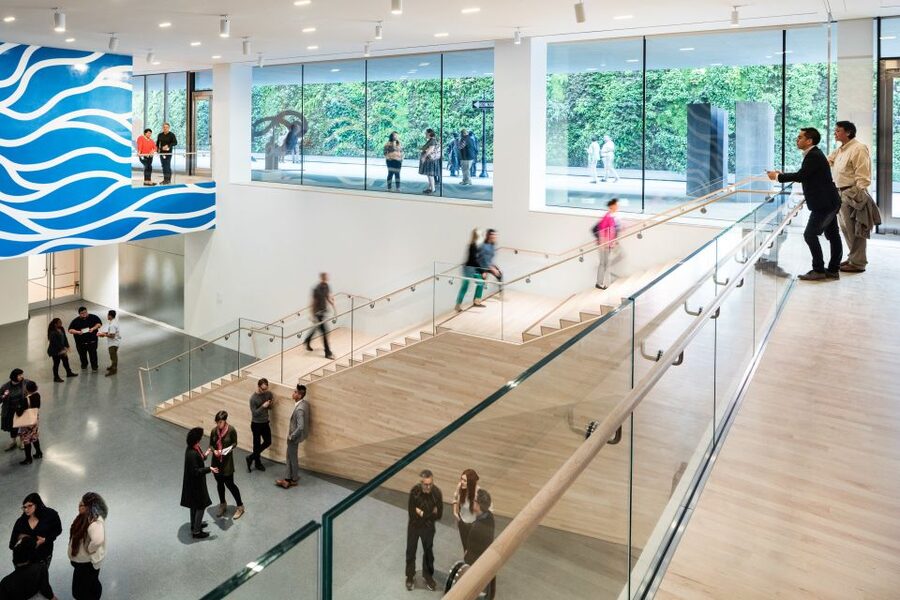
SFMOMA is not a quick room-and-exit museum. The building gives you seven floors of galleries, public spaces, terraces, dining, and a shop, so your one-day ticket works best when you treat the museum as a flexible half-day or full-day stop.
The collection covers modern and contemporary art across painting, sculpture, photography, film, performance, neon installations, and short videos. That variety matters. You can move from familiar names to less familiar work without leaving the building, and you can change the mood of your visit when one gallery does not suit you.
The museum’s holdings include work by Alexander Calder, Frida Kahlo, Julie Mehretu, and other important artists. The painting and sculpture collection is especially useful if you like seeing how an artist’s work changes over time rather than viewing one famous piece in isolation.
Because the museum contains more than 30,000 works, and its description also cites more than 33,000, you will not see everything in one visit. That is not a flaw, but it does mean you should choose a pace before entering. If you try to inspect every room closely, seven floors can become tiring.
More museums and galleries in San Francisco:
- The Walt Disney Family Museum Admission Ticket in San Francisco
★ 5.0 · 203 reviews - San Francisco Museum of Modern Art General Admission Ticket
★ 4.5 · 143 reviews - de Young Museum General Admission Ticket
★ 4.0 · 97 reviews
From Warhol Lithographs to Pollock Splatters
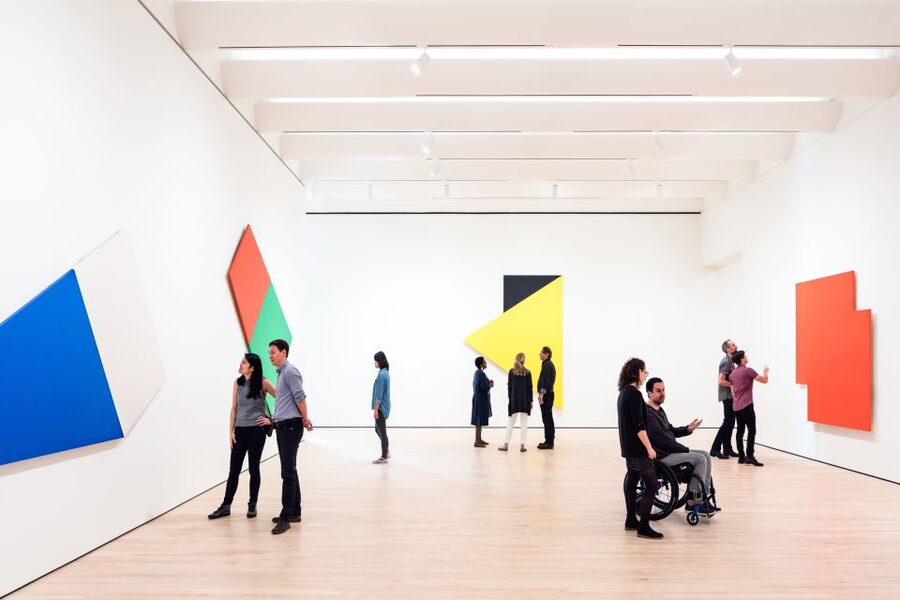
The famous names provide useful anchors. Warhol’s lithographs let you see how a familiar artist worked in print, while Jackson Pollock’s splatters bring a very different physical energy to the galleries. These are the kinds of works that can give a first-time modern art visitor an easy starting point.
You do not need a detailed art background to get something from this collection. Start with the basic questions: What materials did the artist use? How large is the work? Does it pull your eye across the surface, or make you stop at one point? Those simple questions help when a piece seems puzzling.
The holdings also include sculpture and interactive displays. Some works are designed to change the feel of the room or invite a different kind of attention. The museum describes an atmosphere that can feel almost buzzing, particularly around interactive presentations and installations.
Short videos and film programs add another rhythm. A video room can slow your visit down, while neon installations and large sculpture may give you a strong visual break after several rooms of paintings. I would not rush these sections simply to reach the next floor. They are part of what makes this museum broader than a standard painting collection.
An Entire Floor for Photography
Photography has an entire floor, a major advantage if you prefer cameras, images, and visual storytelling to large paintings. It also gives your visit a clear center of gravity. You can choose photography as your main focus and treat the other floors as additions rather than trying to absorb the entire building.
The photography collection is part of SFMOMA’s larger modern and contemporary holdings. Since the museum also presents film and short video, you may find useful connections between still images and moving images as you go.
This floor can also be a good reset point. After the scale and color of painting or the physical presence of sculpture, photography often asks you to look more closely at a framed image. Give yourself time rather than treating it as a corridor between bigger attractions.
The museum’s display program changes over time, so the exact artists and rooms available on your day may vary. The permanent collection and rotating presentations work together, but you should check the current galleries if one particular artist or exhibition is your main reason for visiting.
Why the Route Can Feel Disorganized
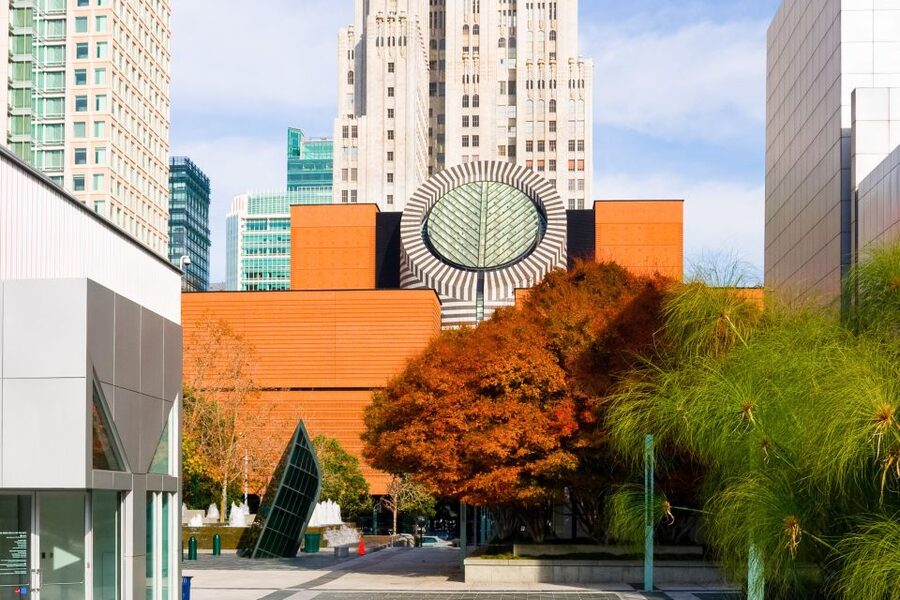
SFMOMA does not promise a guided tour, named guide, or fixed route. You enter on Third Street or through the newer Howard Street entrance, then make your own way through the building.
That freedom is useful, but the scale can make orientation harder. One recent assessment called the experience excellent while noting that the path through the museum felt somewhat disordered. I would take that as practical advice: do not expect a single, obvious trail that tells you what to see next.
Give yourself a few minutes to understand the floor layout before committing to a long gallery stretch. If you have limited time, choose two or three priorities, such as photography, painting and sculpture, or the special exhibition, then add terraces and food as breaks.
A self-directed visit also suits different kinds of museum days. You can spend serious time with a Pollock, move quickly through a room that does not interest you, or sit with an interactive work without keeping up with a group. The tradeoff is that you are responsible for your own plan.
A few more San Francisco tours worth comparing
- Muir Woods and Sausalito (Return by Bus or Ferry)
★ 4.5 · 5,098 reviews - Big Bus SF: Hop-on Hop-off Tour with 17 Stops and Sunset Option
★ 4.0 · 4,539 reviews - Napa and Sonoma Wine Country Full-Day Tour from San Francisco
★ 4.5 · 4,455 reviews - Small Group Yosemite and Giant Sequoias Day Trip from San Francisco
★ 5.0 · 3,671 reviews
Six Terraces and Room to Pause
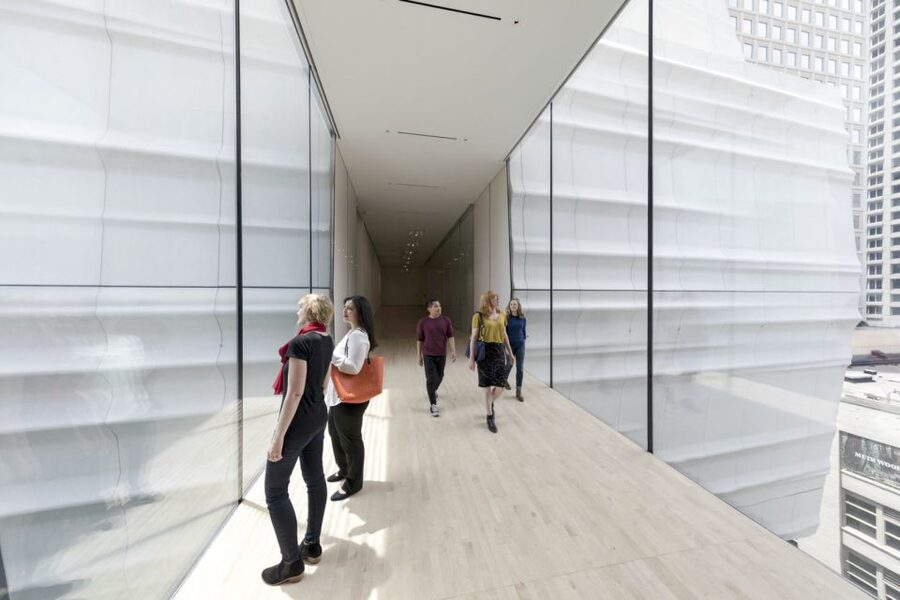
The six art-filled terraces are more than a decorative extra. Large museums ask a lot of your attention, and an outdoor or open-air pause can keep the visit enjoyable. Use these spaces to rest, compare notes, or simply let your eyes recover from a busy gallery.
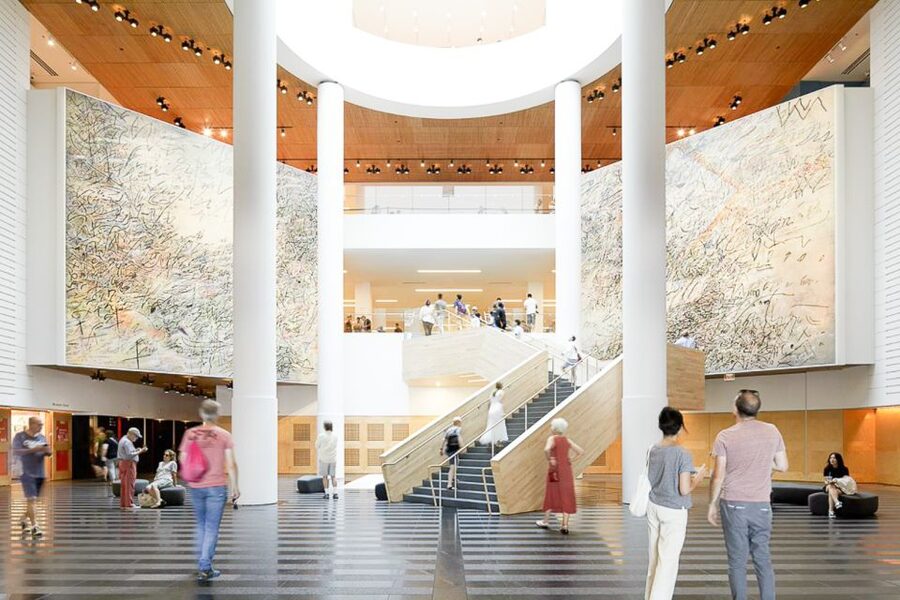
The museum also includes a sculptural staircase and Roman steps where the public can gather. These details make the building feel designed for lingering, not just for moving from ticket scanner to exit.
You should plan breaks rather than waiting until you are worn out. A museum this size can turn into a long indoor march if you keep pushing. The terraces and steps give you natural stopping points, especially if you are visiting with children or with someone who does not want to study every artwork.
The terraces are also helpful if one person in your group wants more art time than another. You can separate briefly, then meet again without leaving the museum.
Food Stops: Cafe 5, In Situ, and Sightglass
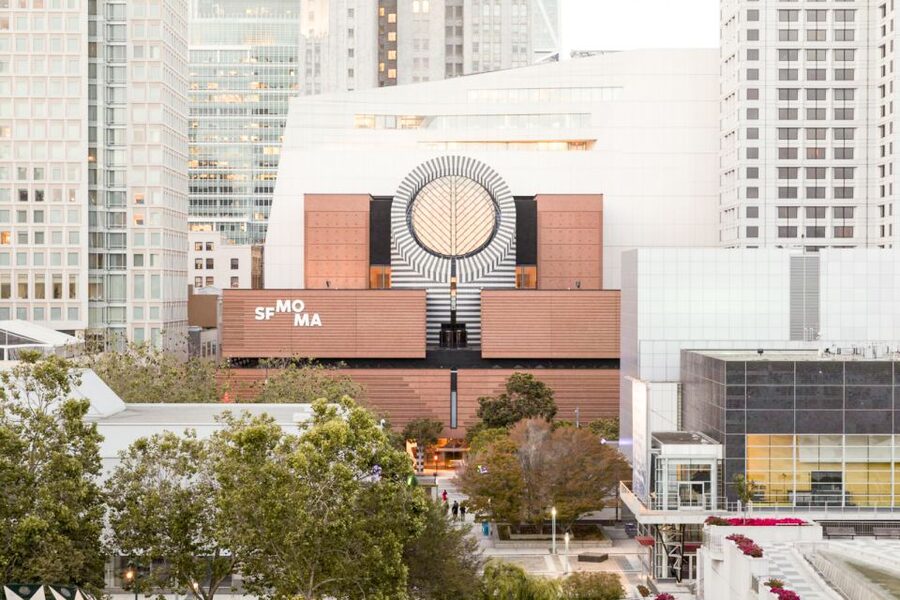
SFMOMA offers three named places to eat or drink: Cafe 5, In Situ, and Sightglass Coffee Bar. That range lets you choose between a proper meal, a restaurant-style pause, or a quicker coffee stop.
I like having these options inside the museum because they make the one-day ticket more useful. You do not have to leave just because you need coffee or food, then spend time finding your way back through downtown San Francisco.
Use Sightglass Coffee Bar for a shorter break. Cafe 5 and In Situ are better choices when you want food to become part of the day rather than a quick interruption. The supplied information does not give menus, prices, or booking details, so check on-site if your meal choice matters to your schedule.
Food is especially useful here because the building is large and the visit can easily stretch beyond a couple of hours. A planned break helps you return to the galleries with more attention instead of treating the final floors as an obligation.
The Museum Store Is Worth a Separate Look
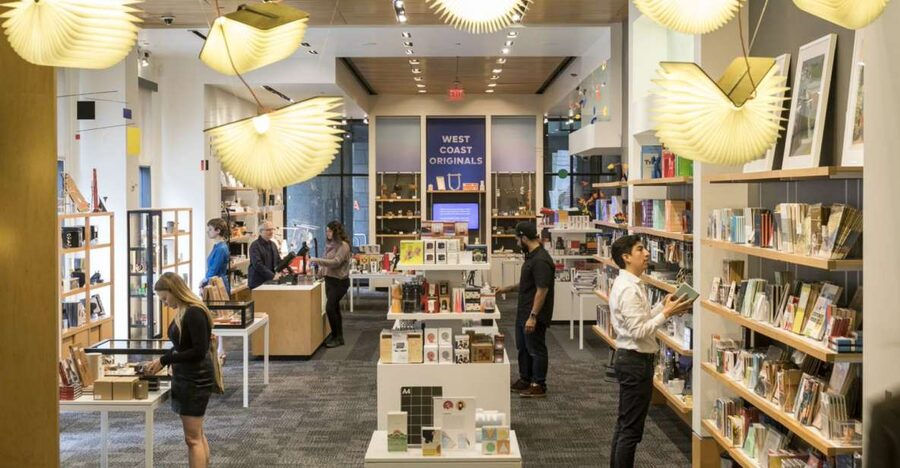
The Museum Store sells art books, home accessories, jewelry, toys, and other gift items. That mix gives you more useful choices than the usual rack of logo souvenirs.
Art books can extend your visit after you leave, especially if you want more context on modern art, photography, or a particular artist. Home goods and jewelry offer practical gifts, while toys may work better for younger visitors who need a tangible reminder of the day.
You can also use the store as a final stop after the galleries. Since the visit is valid for one day, you have room to return to a book or object you noticed earlier instead of shopping in a rush.
Special Exhibitions May Cost Extra
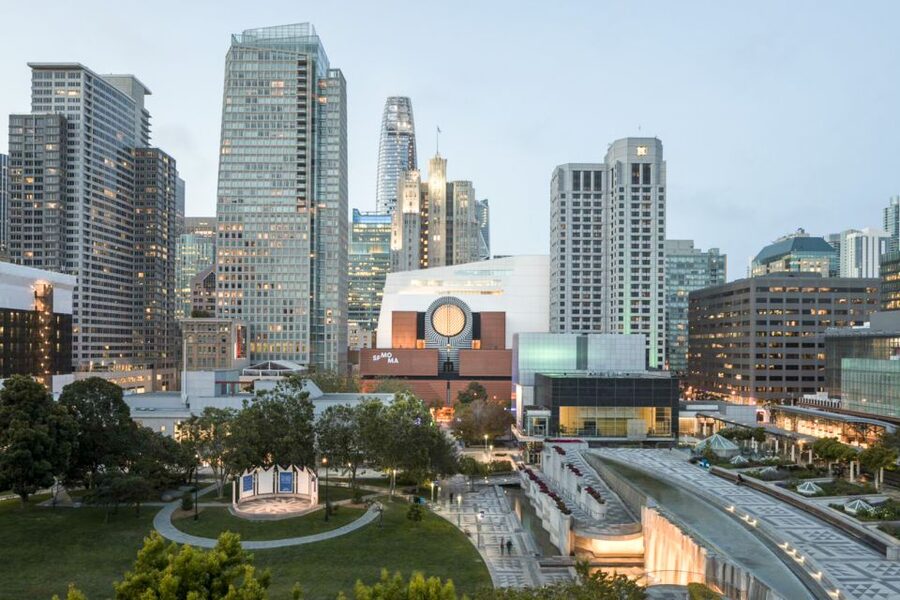
Your entry ticket covers access to SFMOMA, but special exhibitions can be added at the ticket desk for a nominal fee. This is important when comparing the basic ticket with the full cost of the visit.
The extra charge may be worthwhile if a temporary exhibition is your main reason for coming. If you are mainly interested in the permanent collection, the standard entry already gives you seven floors and a very large range of work.
One exhibition mentioned in the supplied information is titled What is Love. If that presentation is still running on your date, check whether it is included or requires the added fee before you plan your route.
Do not assume every headline exhibition is part of the basic ticket. Ask at the desk when you arrive, then decide based on your interests and remaining time.
Is the $15 Ticket Good Value?
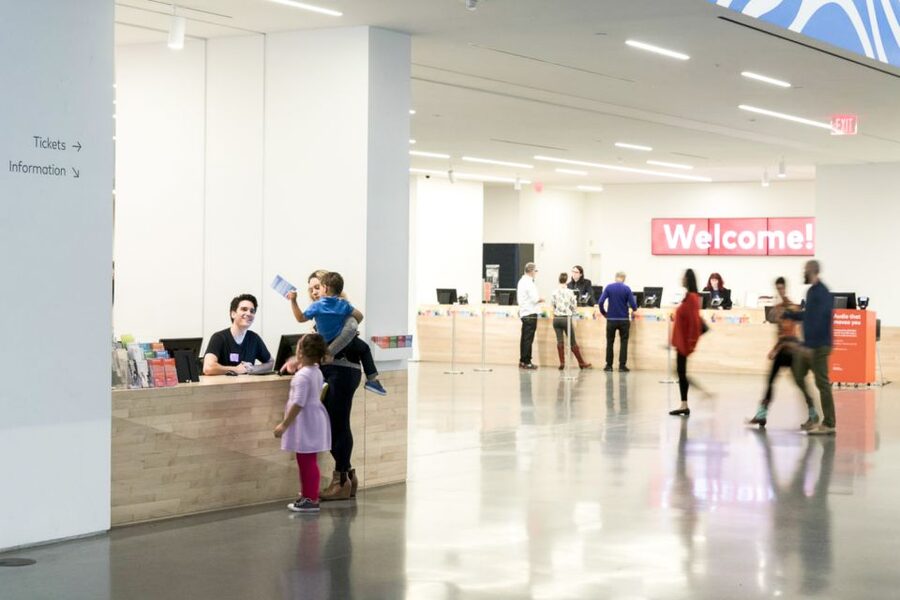
At $15 per person, this is a strong value for a major museum visit, particularly if you use more than a quick hour. The ticket is valid for one day, and the building offers enough art and public space to fill a substantial part of your San Francisco schedule.
The value depends on how you visit. If you only want one famous painting and plan to leave after 30 minutes, the size of SFMOMA may work against you. If you like choosing among photography, sculpture, painting, film, and installations, the price gives you room to follow your interests.
The dining areas and terraces also add practical value, though food is not listed as included. You are paying for entry to the museum, not a meal or special exhibition access.
Free cancellation up to 24 hours before the visit and the option to reserve now and pay later make the ticket easier to fit into a changing schedule. Bring a passport or ID card, as identification is listed among the required items. The museum is wheelchair accessible, and limited bicycle parking is available on-site.
Who Will Enjoy SFMOMA Most?
I would recommend this experience to anyone who wants a broad modern art collection without committing to a guided group. It works well for first-time museum visitors because the major artist names provide familiar entry points, while the range of media keeps the visit from feeling repetitive.
Photography fans have a clear reason to come, thanks to the dedicated floor. People who enjoy architecture and public space will appreciate the terraces, sculptural staircase, and Roman steps as much as the galleries.
Families and mixed-interest groups can also make it work. One person can focus on paintings, another on photography, and everyone can meet for coffee or a terrace break. The lack of a fixed route is a weakness for anyone who wants firm direction, but a benefit for people who prefer freedom.
If you are visiting San Francisco on a tight schedule, set a time limit and choose priorities before entering. If you have most of a day, let the collection guide you and use the public areas to pace yourself.
Should You Book This SFMOMA Ticket?
Book it if you want a large, flexible museum visit at a modest $15 price, especially if modern art, photography, Warhol, Pollock, sculpture, or interactive displays appeal to you. The dedicated photography floor and six terraces are strong reasons to allow more than a rushed stop.
Skip it if you dislike large museums, need a tightly organized route, or only want one small exhibition. Also check the cost of special exhibits before paying, since they may require a separate fee.
For most art-minded visitors in San Francisco, I would book the basic ticket, choose two or three floors as priorities, and leave time for a terrace, coffee, and the Museum Store. That plan gives you the museum’s best feature: plenty of choice without forcing you to see everything.
FAQ
Where is SFMOMA located?
SFMOMA is in San Francisco, California. You can enter on Third Street or through the newer entrance on Howard Street.
How long is the ticket valid?
The entry ticket is valid for one day. Check availability for the starting times offered on your date.
What does the SFMOMA entry ticket include?
It includes entry to the San Francisco Museum of Modern Art.
How many artworks does SFMOMA have?
The museum describes holdings of more than 30,000 modern and contemporary artworks, with another listing describing more than 33,000 works.
Does SFMOMA have a photography section?
Yes. The museum has an entire floor dedicated to photography.
Are special exhibitions included?
Special exhibitions may be added at the ticket desk for a nominal fee. Ask about the cost when you arrive.
Is SFMOMA wheelchair accessible?
Yes. The activity information states that SFMOMA is wheelchair accessible.
Are food options available inside the museum?
Yes. You can find Cafe 5, In Situ, and Sightglass Coffee Bar at the museum.
Is there a museum shop?
Yes. The Museum Store sells art books, home accessories, jewelry, toys, and other items.
What should you bring?
Bring a passport or ID card. Limited bicycle parking is available on-site.
Recently added around San Francisco
- Guided Private Wine Tour to Napa and Sonoma Wine Country★ 5.0 · 3 reviews
- San Francisco: Muir Woods Giant Redwoods & City Private Tour★ 5.0 · 3 reviews
- Napa or Sonoma Private Wine Tour from San Francisco★ 5.0 · 3 reviews
- San Francisco Chinatown Food and Culture Tour★ 5.0 · 3 reviews
- San Francisco City Half-Day Private Custom Tour★ 5.0 · 3 reviews
- 6-Hour Luxury Napa Wine Tasting Tour with Route Planning★ 5.0 · 3 reviews
- SFO Pick-Up with City Sightseeing Tour★ 5.0 · 3 reviews
- Muir Woods, Sausalito and Ferry back to Fisherman’s Wharf★ 4.7 · 3 reviews
Museums, compared.

San Francisco Gregangelo Museum – Garden and Interior Combo Tour
Read our review →
San Francisco Gregangelo Museum – Immersive Interior Art Tour
Read our review →
San Francisco Gregangelo Museum – Immersive Art Garden Tour
Read our review →
San Francisco Gregangelo Museum – Immersive Kids’ Tour
Read our review →
San Francisco Gregangelo Museum – Lunch & Behind the Scenes Tour
Read our review →Browse the lists this tour appears in