
Reviewed · SAN FRANCISCO CABLE CAR TOURS
San Francisco Half-Day Tour by Cable Car & Foot
San Francisco packs a lot into four hours, and this tour uses the city’s hills, transit, and neighborhoods to tell its story. You’ll ride the famous cable cars, walk through Nob Hill and the Castro, and finish among the old music shops and counterculture landmarks of Haight-Ashbury.
I like the small maximum of 15 people, which gives guides room to answer questions and adjust the pace. I also like that your $100 includes MUNI travel, two cable-car rides, and, when possible, a ride on the historic streetcar. The main drawback is that this is a real walking tour, with hills and steps, and cable-car service can change because of events or technical problems.
In This Review
- Key points to know before booking
- A fast start at the Ferry Building
- Cable cars and the climb to Nob Hill
- Seeing the machinery at the Cable Car Museum
- City Hall and the Civic Center
- Hayes Valley, coffee shops, and street art
- The Castro and San Francisco’s LGBTQ story
- Mission Dolores Park and the city view
- Haight-Ashbury and the end of the morning
- What the $100 price really covers
- The walking, group size, and transit reality
- Where the guides make the difference
- How to prepare for the best experience
- Should you book this San Francisco half-day tour?
- FAQ
- How long is the San Francisco Half-Day Tour by Cable Car and Foot?
- Where does the tour begin and end?
- Are cable-car rides included in the price?
- Is the Cable Car Museum visited on every tour?
- Is the tour suitable for people with mobility issues?
- What happens if I need to cancel?
Key points to know before booking
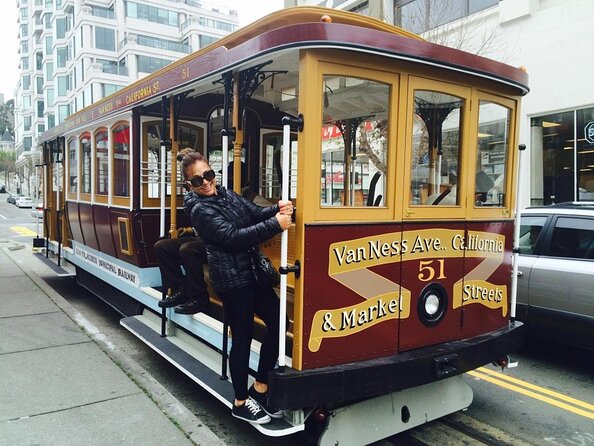
- Cable cars are part of the route: Two rides are included, though service can be replaced by public buses if conditions interfere.
- Eight very different stops: You move from the Ferry Building and Nob Hill to City Hall, Castro, Mission Dolores Park, and Haight-Ashbury.
- Small-group format: The tour is limited to 15 people, with a more personal feel than a large coach outing.
- Local guides shape the experience: Guides including Jamie, Mark, Dara, and Jason have brought personal knowledge of San Francisco music, architecture, neighborhoods, and civic life.
- The tour ends in Haight-Ashbury: You can stay for lunch or ask your guide how to reach another part of the city by MUNI.
- Plan for hills: You need a moderate fitness level and should arrive 10 to 15 minutes early for the 10 a.m. start.
A fast start at the Ferry Building
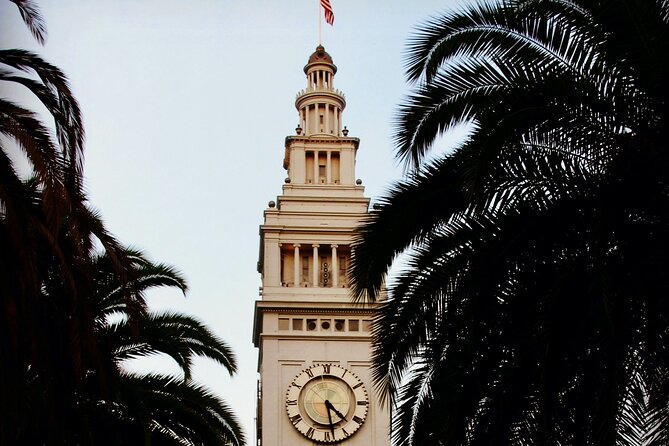
The tour begins at Market Street and Drumm Street, near the Ferry Building Marketplace, at 10 a.m. Your guide spends about 10 minutes helping you understand where downtown San Francisco sits and why the Ferry Building matters.
This is a useful opening rather than a long formal lecture. San Francisco can feel confusing at first, with the waterfront, financial district, hills, and transit lines all close together. A short orientation helps you place the rest of the morning.
The Ferry Building itself also gives the tour a fitting starting point. It connects the waterfront with the city center and provides a clear reference point before you begin climbing inland. You do not need to pay an admission fee for this stop.
Arrive 10 to 15 minutes early. The instructions are firm about lateness, and a walking tour that uses public transit cannot easily wait for stragglers.
More cable car rides:
- Self-Guided Cable Car City Tour in San Francisco
★ 3.0 · 226 reviews - San Francisco Full-Day Tour by Cable Car & Foot
★ 4.5 · 187 reviews - San Francisco: Half-Day Tour by Cable Car & Foot
★ 4.6 · 14 reviews
Cable cars and the climb to Nob Hill
The first major thrill is the climb toward Nob Hill on one of San Francisco’s iconic cable cars. The ride is not just transport between stops. It gives you a direct feel for the steep streets that shaped the city’s identity.
At Nob Hill, the guide spends about 20 minutes pointing out the grand mansions associated with San Francisco’s first millionaires. You get a look at how wealth, geography, and city growth came together in one of the city’s most famous districts.
The cable car ride is one of the strongest reasons to consider this tour. Individual cable-car rides require planning, and lines can take time. Here, the ride is built into a guided route, with the fare included in the tour price.
Still, keep your expectations realistic. The operator cannot control cable-car delays, technical faults, public events, or unusually crowded service. During Fleet Week, one group had to use three crowded public buses instead of the advertised cable-car rides. That kind of substitution can change the feel of the morning, even though it still lets you move around the city by public transport.
Seeing the machinery at the Cable Car Museum
The Cable Car Museum is a compact but worthwhile stop. You spend about 20 minutes learning how the cable-car system works and seeing the machinery that keeps the cars moving.
This adds useful context to the ride. Instead of treating the cable car as a simple photo opportunity, you begin to understand the engineering behind San Francisco’s unusual transit system.
The museum is usually visited on weekends. That detail matters if it is high on your list. The route can vary by day, and the schedule also affects access to City Hall, which is generally visited on weekdays.
The museum stop may appeal most to you if you like practical details, old machinery, and the way cities solve transport problems. If your priority is simply riding the cable car and seeing famous streets, the stop is still brief enough not to take over the tour.
City Hall and the Civic Center
On weekdays, the tour goes inside San Francisco City Hall for around 20 minutes. Your guide explains important events that took place there and points out the building’s interior details.
This stop gives the morning a civic and architectural side. After the old-money setting of Nob Hill, City Hall shifts the focus toward public life, government, and the events that helped shape modern San Francisco.
The weekday and weekend distinction is important. If you are booking around City Hall or the Cable Car Museum, check which version of the route operates on your chosen date.
A few more San Francisco tours worth comparing
- San Francisco: Muir Woods and Sausalito Half-Day Trip
★ 4.6 · 1,722 reviews - San Francisco: Half-Day Wine Country Excursion with Tastings
★ 4.3 · 409 reviews - San Francisco Afternoon City Tour Small-Group Half-Day
★ 4.5 · 304 reviews - Small Group Napa and Sonoma Half-Day Wine Tour from San Francisco
★ 4.0 · 276 reviews
Hayes Valley, coffee shops, and street art
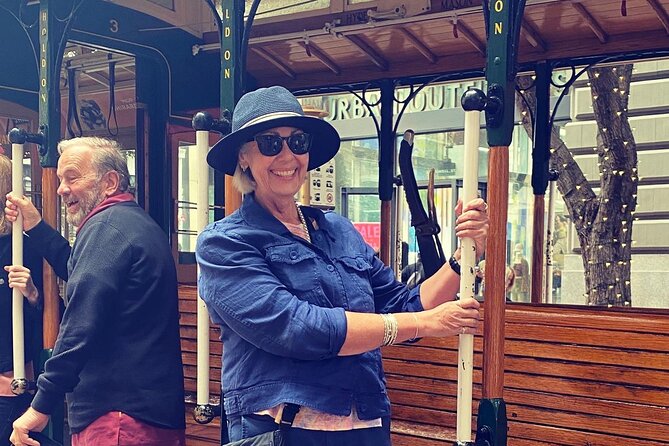
Hayes Valley provides a change of mood. The tour spends about 20 minutes in this newer-feeling area near the Civic Center, where small coffee shops and street art give the neighborhood a more local, contemporary character.
This is one of the better parts of the route for seeing how San Francisco keeps changing. The tour does not stay in a museum district or focus only on famous landmarks. You also walk through a neighborhood where shops, cafés, and public art shape the daily scene.
You should not expect a long café break here. The tour keeps moving, and lunch and snacks are not included. Think of Hayes Valley as a short neighborhood walk and a chance to ask your guide where to return later.
The Castro and San Francisco’s LGBTQ story

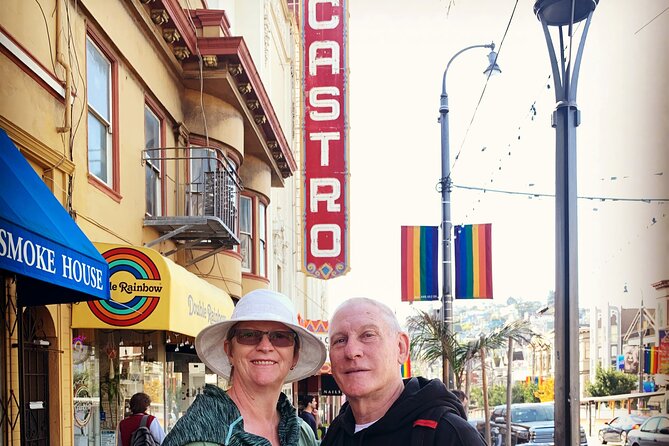
The Castro is given about 20 minutes, but its importance reaches well beyond the length of the stop. Your guide explains the neighborhood’s role in the LGBTQ movement and San Francisco’s place in that wider story.
This part of the tour can be especially meaningful if you want a city tour that includes social change, identity, and civic activism rather than only buildings and scenic views. The Castro is not treated as a passing photo stop. It is one of the places where the guide’s own connection to San Francisco may shape the discussion.
That personal approach has a clear benefit and a possible downside. Some guides bring first-hand links to local Pride events and LGBTQ life, which can make the subject feel immediate. If you prefer a strictly neutral architectural tour, you may find the emphasis more personal than expected, particularly during Pride Week, when the neighborhood’s public identity is impossible to ignore.
The most useful approach is to know what you are booking. This tour presents San Francisco through its people, movements, neighborhoods, and culture. It is not only a checklist of landmarks.
Mission Dolores Park and the city view
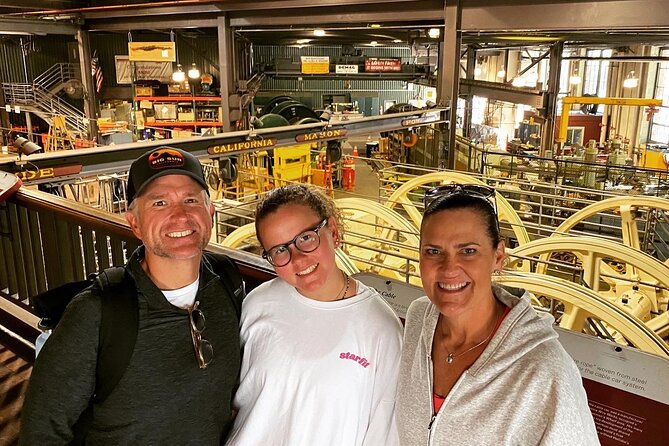
The next stop is Mission Dolores Park, one of the city’s best-known open spaces. You spend about 20 minutes here, with time to take in views toward downtown and see how residents use the park.
The park helps break up the urban walking. After the Civic Center and Castro, you get an open setting and a different angle on San Francisco’s hills and skyline.
The visit is short, so do not plan on a long rest or picnic. Still, the pause is useful, especially on a route that includes several uphill sections. A clear day should make the outlook more rewarding, but the tour remains worthwhile even when the city view is less open.
Haight-Ashbury and the end of the morning
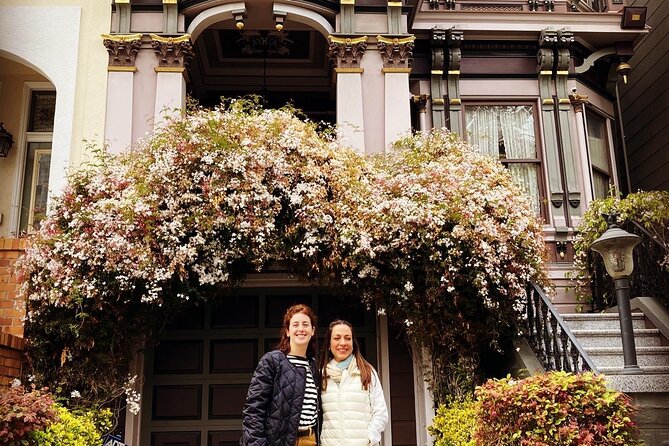
The tour ends in Haight-Ashbury, after about 20 minutes spent discussing its place in the 1960s hippie and anti-Vietnam War movements. The neighborhood still carries some of that counterculture look, and it is a natural place to continue exploring on your own.
This ending works well because Haight-Ashbury offers a choice. You can stay for lunch, browse the area, or ask your guide how to use MUNI to get back toward the starting point or elsewhere in San Francisco.
Guides have also brought strong local knowledge of the city’s music scene to this stop. That can give Haight-Ashbury more meaning than a quick photo outside a famous address. You get a sense of the people and ideas linked to the district, not just its visual style.
The tour does not include lunch, so plan ahead. Haight-Ashbury is a convenient place to eat after the four-hour route, but the cost and choice of meal are yours.
What the $100 price really covers
At $100 per person, this is not the cheapest way to move around San Francisco. Its value depends on what you want from a half-day.
The package includes the guide, all MUNI travel, two cable-car rides, and one historic streetcar journey when possible. The stated value of the included MUNI travel is $20, so part of the cost goes toward transport that you would otherwise need to arrange and pay for yourself.
The larger value is the route design. In four hours, you cover the waterfront edge, downtown, Nob Hill, the Civic Center, Hayes Valley, Castro, Mission Dolores Park, and Haight-Ashbury. Doing that alone would require careful transit planning, knowledge of the hills, and a willingness to keep checking maps.
You also get interpretation along the way. Guides such as Jamie have brought old San Francisco photographs and detailed knowledge of local music and architecture. Mark has been described as entertaining and deeply familiar with his adopted city. Dara grew up in San Francisco and can connect places to personal memory. Jason has led a first-time-friendly route that combines cable cars, buses, and streetcars.
The price feels fair if you value context, transit help, and a broad introduction. It feels high if you want a slow visit inside major attractions or plenty of free time at each stop. This is a moving overview, not a series of long admissions.
A voluntary tip of 15 to 20 percent is suggested if you enjoy the tour. Lunch and snacks are extra.
The walking, group size, and transit reality
The tour lasts about four hours and has a maximum of 15 people. That is small enough for questions and conversation without guaranteeing a private tour. On one occasion, a booking resulted in a one-person tour, but you should treat that as an unusual possibility, not an expected feature.
You need moderate physical fitness. The route includes several hills and sets of steps, and it is not suitable for people with mobility issues. Comfortable shoes matter more here than a polished outfit.
The transit element is a strength, but it also introduces uncertainty. Cable cars and streetcars run in public streets and can be affected by technical issues, special events, or crowding. If riding a cable car is the single reason you are booking, understand that the operator cannot promise normal service on every date.
All transit used as part of the tour is included. The route can use MUNI buses when needed, and that may mean a crowded ride rather than the classic cable-car experience. You still see more of the city than you would on foot alone, but the feel of the tour changes.
The tour is not recommended for children under 12. The subject matter, walking pace, hills, and amount of commentary suit older children and adults better.
Where the guides make the difference
This experience depends heavily on the person leading it. The best guide for you will be someone who can connect facts to the street in front of you.
Jamie has been associated with old San Francisco photographs, local music, and architecture. That combination can make places such as Haight-Ashbury and Nob Hill feel linked rather than separate.
Mark brings an entertaining style and a strong sense of affection for San Francisco. Dara offers the perspective of someone who grew up in the city, while Jason has been praised for making the route work well for first-time visitors.
The personal style is not for everyone. One dissatisfied participant felt the tour focused too much on the guide’s own stories and did not cover enough of the city. That is a fair caution. You should expect storytelling, opinion, and local perspective, not an audio guide with identical commentary at every stop.
The Castro can bring this issue into sharper focus. A guide with personal involvement in Pride may spend more time on LGBTQ history and current events than you expect. If you are open to that subject, it can be one of the tour’s most distinctive elements. If not, choose a route centered more tightly on architecture or major sights.
How to prepare for the best experience
Wear shoes suited to hills and steps. Bring water, and remember that there is no included lunch or snack break.
Arrive at Market Street and Drumm Street 10 to 15 minutes before the 10 a.m. start. A late arrival can mean missing the group, since the guide must keep to a route and transit schedule.
Check your date carefully before booking. The Cable Car Museum is usually visited on weekends, while City Hall is generally visited on weekdays. Transit service can also change because of events and technical problems.
The tour ends in Haight-Ashbury, not back at the Ferry Building. That is convenient if you want lunch or more time in the neighborhood. If you need to return to the starting area, your guide can direct you to MUNI connections.
Free cancellation is available if you cancel at least 24 hours before the start time. Changes or cancellations inside that window are not refunded, and the tour can also be canceled if its minimum number of participants is not reached.
Should you book this San Francisco half-day tour?
Book it if you want a broad first look at San Francisco, enjoy walking, and like learning how neighborhoods connect to the city’s social and cultural story. The included transit, small group, and mix of cable cars, streetcar, buses, and walking make it a practical introduction.
I would especially recommend it for a first visit when you want help getting oriented quickly. It suits adults and children over 12 who can manage hills and who prefer local stories to a large sightseeing bus.
Think twice if you need guaranteed cable-car rides, dislike personal commentary, or want extended time inside attractions. The route covers a lot, but each stop is short. At $100, the value comes from the guide, the route, and the included transportation, not from admission tickets or a long meal break.
For the right kind of visitor, this is a lively way to meet San Francisco in one morning, from its waterfront and old wealth to its civic center, LGBTQ history, open parks, and counterculture streets.
FAQ
How long is the San Francisco Half-Day Tour by Cable Car and Foot?
The tour lasts approximately four hours. It starts at 10 a.m. and ends in the Haight-Ashbury neighborhood.
Where does the tour begin and end?
The meeting point is at Market Street and Drumm Street in San Francisco. The tour ends in Haight-Ashbury, where your guide can explain MUNI options for continuing to another part of the city.
Are cable-car rides included in the price?
Yes. Two cable-car rides are included, along with MUNI travel and one historic streetcar journey when possible. Cable-car and streetcar service can be affected by events or technical problems.
Is the Cable Car Museum visited on every tour?
The Cable Car Museum is usually visited on weekends. The weekday route generally includes a visit inside San Francisco City Hall instead.
Is the tour suitable for people with mobility issues?
No. The route includes walking, several hills, and sets of steps. A moderate level of physical fitness is required.
What happens if I need to cancel?
You can receive a full refund if you cancel at least 24 hours before the experience starts. Cancellations or changes made less than 24 hours before the start time are not refunded.
Recently added around San Francisco
- Guided Private Wine Tour to Napa and Sonoma Wine Country★ 5.0 · 3 reviews
- San Francisco: Muir Woods Giant Redwoods & City Private Tour★ 5.0 · 3 reviews
- San Francisco Chinatown Food and Culture Tour★ 5.0 · 3 reviews
- San Francisco City Half-Day Private Custom Tour★ 5.0 · 3 reviews
- Napa or Sonoma Private Wine Tour from San Francisco★ 5.0 · 3 reviews
- SFO Pick-Up with City Sightseeing Tour★ 5.0 · 3 reviews
- 6-Hour Luxury Napa Wine Tasting Tour with Route Planning★ 5.0 · 3 reviews
- Muir Woods, Sausalito and Ferry back to Fisherman’s Wharf★ 4.7 · 3 reviews
San Francisco Cable Car Tours, compared.
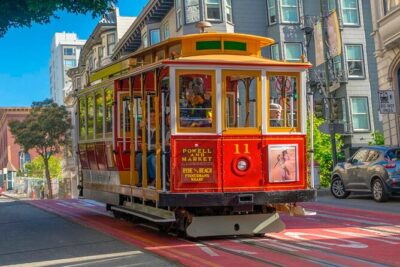
Self-Guided Cable Car City Tour in San Francisco
Read our review →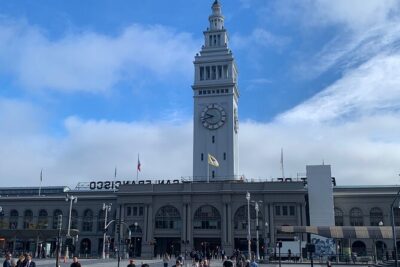
San Francisco Full-Day Tour by Cable Car & Foot
Read our review →
Browse the lists this tour appears in