
Reviewed · NAPA VALLEY WINE TOURS
Intro to Wine Tasting with Napa Sommelière
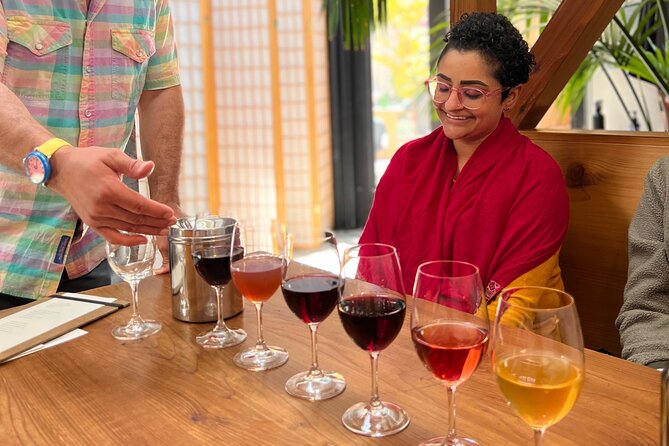
The best part of this Napa wine experience is that it teaches you how to taste, not just where to drink. Sommelière Elisabeth explains tasting technique, wine production, organic and biodynamic farming, and food pairing while guiding you through two full wine flights.
I like the six-person limit, which gives the session a personal feel, and I like that Elisabeth adjusts the conversation to your level, from complete beginner to confident wine drinker. The main drawback is that one tasting-room fee is extra, and the experience is non-refundable if you cancel.
In This Review
- Key points at a glance
- Why this three-hour lesson works for first-time wine drinkers
- Meeting at First Street Napa
- The first wine flight: learning the tasting method
- Organic and biodynamic farming without the jargon
- The second stop: comparing wines and pairing with snacks
- How much wine will you taste?
- Elisabeth’s teaching style and the small-group setting
- Value, extra fees, and what you are really paying for
- Who should book this Napa tasting?
- My verdict on the two-stop wine lesson
- FAQ
- How long does the wine tasting experience last?
- Where does the activity begin and end?
- How many people can join the tour?
- What does the experience include?
- Is a tasting-room fee included?
- Who leads the experience?
- Is the experience offered in English?
- What happens if the weather is poor or the minimum group size is not met?
Key points at a glance
- Learn practical tasting skills: You’ll work through professional tasting method and etiquette in plain language.
- Visit two wine stops: The itinerary includes two tasting rooms or restaurants, with a full flight at each.
- Meet Napa sommelière Elisabeth: She brings local knowledge and international winemaking study to the conversation.
- Keep the group small: A maximum of six people allows more questions and a less rushed session.
- Taste with food in mind: Snacks are included, and food pairing is part of the lesson.
- Plan for an extra fee: One tasting-room charge is paid directly by the group because of booking-site fees.
Why this three-hour lesson works for first-time wine drinkers
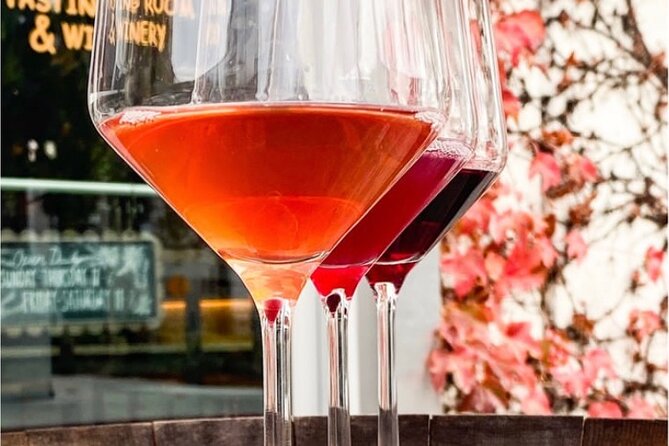
Napa tasting rooms can feel like classrooms where everyone else knows the answers. You may hear about tannins, acidity, finish, biodynamic farming, and vintage variation while quietly wondering when you are supposed to nod.
This experience tackles that problem directly. Instead of treating wine language as a test, Elisabeth walks you through the steps of tasting and gives the terms a practical use. You learn what to look for, how to describe what you notice, and how to speak with a sommelier without pretending to know more than you do.
I especially like this approach for couples or friends who enjoy wine but lack a shared vocabulary. You do not need a trained palate to take part. You only need curiosity and a willingness to compare what is in the glass.
The format also gives you enough time to ask questions. A three-hour session could easily become a rushed stop at several wineries, but two locations allow the focus to remain on the wine and the teaching. You get a full flight at each stop rather than one token taste before moving on.
More Food & Drink Tours in Napa & Sonoma
- #1 Sonoma Walking Food, Wine Tasting & History Tour (Public Tour)
★ 5.0 · 457 reviews - Yountville Food and Wine Tour in Napa
★ 5.0 · 89 reviews - Behind-the-Scenes Food and Wine E-Bike Tour
★ 5.0 · 68 reviews
Meeting at First Street Napa
The tour begins at Ernest Rota Commons at First Street Napa Mall in downtown Napa. The activity returns to the same meeting point at the end, which makes the start and finish easy to understand.
This is useful if you are arranging the rest of your day around the tasting. You know where to meet and where the experience ends, rather than being left to find your way back from an unfamiliar winery. The meeting point is also near public transportation.
Arrive with enough time to find Ernest Rota Commons. The meeting point is in a public mall area, so it may help to confirm the exact meeting details before setting out. One person previously had trouble recognizing the guide right away, so do not hesitate to contact the provider if you are unsure where to wait or how to identify Elisabeth.
The tour is conducted in English. It is limited to six people, with at least two participants required for the session to run. That small-group rule matters here because the teaching depends on conversation. In a large group, a beginner may hesitate to ask basic questions. With six or fewer people, you have a better chance to speak up.
The first wine flight: learning the tasting method
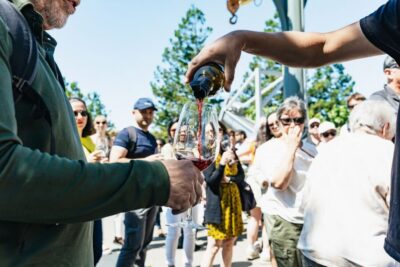
At the first tasting room or restaurant, Elisabeth introduces the basic mechanics of tasting. You can expect the focus to be on professional method and etiquette, including how to look at the wine, smell it, taste it, and think about its structure.
The value is not in memorizing a set of fancy words. It is in learning a repeatable process. When you use the same steps for each pour, it becomes easier to notice differences between wines. A glass that first seems simply red or white can reveal changes in aroma, texture, acidity, sweetness, and finish.
Elisabeth’s teaching style is built around questions and conversation. She has experience in Napa and studied winemaking abroad, so the discussion can move beyond local tasting-room basics. You might ask why one wine feels softer than another, how farming affects flavor, or what a sommelier means by balance.
The first stop is also where tasting etiquette becomes less mysterious. You can learn how to handle a tasting flight, how to discuss a wine you do not enjoy, and how to make an informed choice without copying the person beside you.
Water was available at one stop during the experience, but it was not consistently provided at both locations. I recommend bringing your own water if possible, especially if you are tasting several wines over three hours. A plain palate cleanser can also be useful, though snacks are included.
Organic and biodynamic farming without the jargon
Wine is shaped long before it reaches the glass. The experience includes a look at wine production and the difference between organic and biodynamic viticulture.
That is valuable because tasting-room language often makes farming sound abstract. Here, you can connect vineyard decisions with the finished wine and ask questions that go beyond the label. If you have wondered what organic certification means, how biodynamic methods differ, or why farming choices matter, this is a good setting to ask.
The lesson does not require you to take a side. You can listen to the ideas, taste the wines, and decide what matters to you when buying a bottle. I appreciate that this part of the session treats wine as both agriculture and culture, rather than as a luxury product that appears by magic.
Because the group is small, the conversation may follow your interests. If production is your main concern, you can spend more time there. If you care more about food pairing or tasting technique, the session can move in that direction instead.
More Wine Tours in Napa & Sonoma
- Napa Valley Small Group Winery Tour
★ 5.0 · 1,009 reviews - Sonoma Valley Open Air Wine Trolley Tour
★ 4.5 · 782 reviews - Napa Valley Wine Trolley Classic Tour
★ 4.5 · 701 reviews - Sonoma Wine Country Electric Trike Tour – 3 hours
★ 5.0 · 331 reviews
The second stop: comparing wines and pairing with snacks
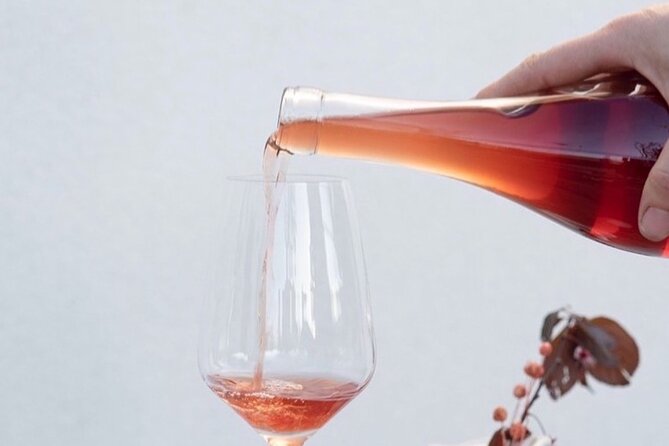
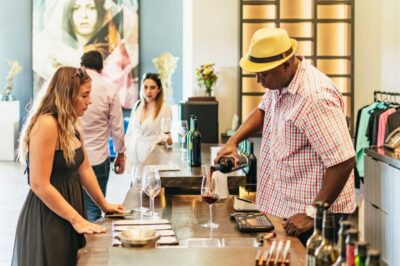
The second location is another tasting room or restaurant. You receive a second full flight, giving you a chance to apply the method from the first stop.
This comparison is one of the strongest reasons to book the experience. It is easier to understand acidity, body, aroma, and finish when you have several wines in front of you. You can revisit the same questions and see if your observations become clearer as the afternoon continues.
Snacks are included, and food pairing is part of the instruction. This is not a full meal, so you should not arrive expecting lunch or dinner. Still, small bites can show how a wine changes when tasted with food. A wine that seems sharp on its own may feel more balanced with a snack, while a fuller wine may work better with something savory.
The food service was not identical at both stops. Snacks were available at the second location, while water was offered at the first. Some of the food was difficult for certain people to reach because of seating arrangements. If you have mobility, hearing, or seating needs, tell the provider in advance so the group can be placed comfortably.
That point is especially important for anyone with hearing difficulties. At one session, a stereo speaker made conversation harder for some people. The experience is discussion-based, so a clear seat can make a real difference.
How much wine will you taste?
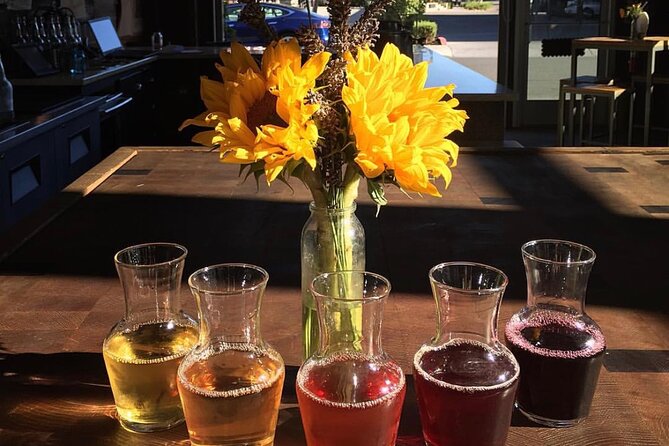
Each of the two stops includes a full flight. One account of the experience described six different wines over the three hours, so you should expect several pours rather than a single glass at each location.
The exact wines are not specified in advance. That can be a plus if you enjoy discovery, but it makes the session less useful for someone seeking a particular grape, producer, or vintage. The emphasis is on learning how to taste and compare, not on collecting a fixed list of famous Napa bottles.
If you want to research the wines later, ask for the names of each pour before leaving. A wine list was not always provided during the experience, and without one it can be hard to remember what you tasted. Bring a note on your phone if you want to record the producer, varietal, vintage, and your own impressions.
You do not need to finish every pour. The important part is tasting attentively and staying comfortable. Since alcoholic beverages are included, pace yourself and eat the provided snacks.
Elisabeth’s teaching style and the small-group setting
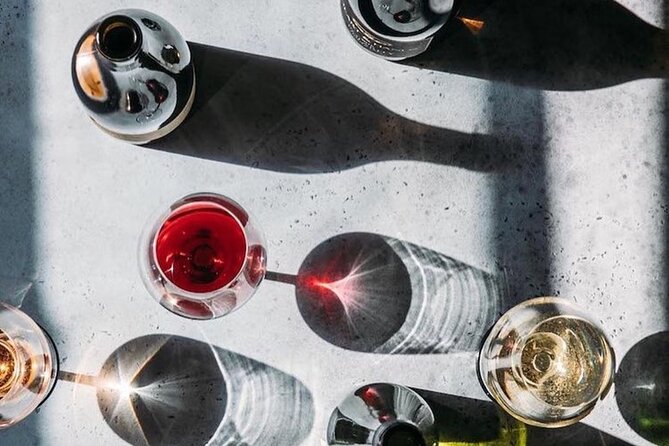
Elisabeth is the heart of the experience. She is described as warm, funny, attentive, and willing to answer questions. Her strongest quality is her ability to meet people at their current level. Someone new to wine can ask basic questions without feeling foolish, while a more experienced drinker can take the discussion further.
I like that she takes time to learn about the people in the group. Wine becomes more useful when it connects with your own meals, habits, and social life. The goal is not to turn you into a professional. It is to help you talk about wine with confidence and make better choices at restaurants or tasting rooms.
The small group supports that style. Six people is still enough for a lively conversation, but it avoids the feel of a large tour lecture. You should have room to ask about a wine you dislike, explain what you notice, or request help with pairing.
There are a few practical limits. The guide may not always be easy to recognize at the meeting point, and an untrained dog was present during one session. The dog barked at people passing by and became a distraction. Service animals are allowed, but if you have allergies, hearing concerns, or a strong preference for a quiet setting, ask about the current arrangements before booking.
Value, extra fees, and what you are really paying for
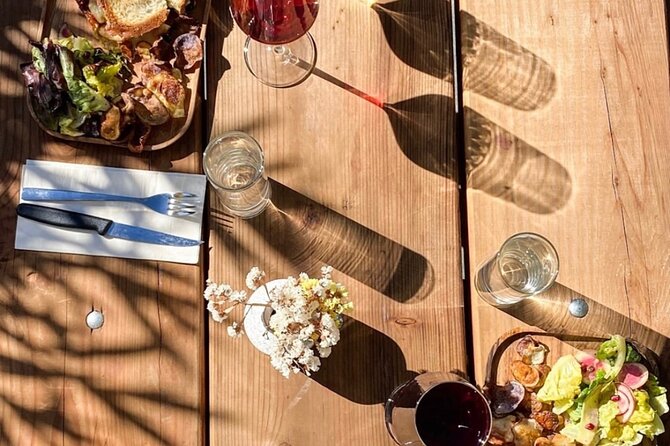
The experience includes alcoholic beverages and snacks, but you are responsible for one of the tasting-room fees. This arrangement reduces the booking-site percentage charged to the provider, but it means the displayed price is not the full cost of the afternoon.
Ask how much the additional tasting fee will be before you commit. The total value depends on the quality and size of both flights, along with how much personal instruction you receive. If you only want to drink wine, paying for a guided lesson may feel expensive. If you want to understand what you are tasting and become more comfortable in Napa tasting rooms, the extra cost can make sense.
I would compare this experience with the price of booking two separate tastings and trying to learn the terminology on your own. Here, you get a guide, structured instruction, two locations, snacks, and the chance to ask questions in real time. You also avoid spending the afternoon wondering what to do with the glass in your hand.
The value is strongest for beginners, couples with different levels of wine experience, and people who plan to visit more wineries during a Napa or Sonoma stay. It is less compelling if you already work comfortably with wine service or want a private vineyard tour with extensive scenery and transportation.
Who should book this Napa tasting?
I would choose this experience if you want a friendly introduction rather than a formal certification class. It suits people who feel intimidated by wine language, visitors who want to understand Napa beyond brand names, and food lovers who enjoy learning why certain wines work with certain dishes.
It also makes sense early in a wine-country trip. The skills you learn can help you get more from later tasting-room visits. You may feel more comfortable asking about farming, production, serving temperature, or food pairing after this session.
You should think twice if you need a fixed itinerary, a guaranteed wine list, or a polished tourism operation with uniform handouts and carefully managed seating. The teaching can be strong while the practical details feel uneven. Bring water, arrive early, ask about the extra fee, and request a comfortable seat if hearing or access matters to you.
The experience requires good weather. If poor weather forces a cancellation, you can receive a new date or a full refund. The provider may also cancel if the minimum number of participants is not met. Otherwise, the booking is non-refundable and cannot be changed, so check your schedule carefully.
My verdict on the two-stop wine lesson
I like this experience because it gives you something useful to take home: a way to taste, describe, and discuss wine without relying on guesswork. Elisabeth’s personal approach, international study, and Napa background add substance to the session, while the small group keeps it from feeling like a lecture.
The rough edges matter. The extra tasting fee, inconsistent water and snacks, unclear guide identification, possible dog distraction, and missing wine list reduce the polish. Still, those issues do not erase the central value of the lesson.
Book it if you want patient instruction, several wines, and a better grasp of tasting etiquette in about three hours. Skip it if you want a luxury-style, tightly managed tour or a simple afternoon of drinking without classroom elements.
FAQ
How long does the wine tasting experience last?
The experience lasts approximately three hours.
Where does the activity begin and end?
It begins at Ernest Rota Commons at First Street Napa Mall in Napa, California. The activity ends back at the same meeting point.
How many people can join the tour?
The maximum group size is six people. A minimum of two participants is required for the experience to operate.
What does the experience include?
Alcoholic beverages and snacks are included. You also receive a full wine flight at each of two tasting rooms or restaurants.
Is a tasting-room fee included?
One tasting-room fee is the responsibility of the participants. Ask about the amount before booking so you understand the full cost.
Who leads the experience?
The experience is led by Napa sommelière Elisabeth, who teaches tasting method, wine production, organic and biodynamic viticulture, and food pairing.
Is the experience offered in English?
Yes. The activity is offered in English.
What happens if the weather is poor or the minimum group size is not met?
If bad weather causes a cancellation, you will be offered another date or a full refund. If the minimum number of participants is not reached, you will be offered another date or experience, or a full refund.
More Wine Tours in Napa and Sonoma
- Wine Country Join-in Flight
★ 5.0 · 237 reviews - Sonoma County Wine Segway Tour
★ 5.0 · 165 reviews - Sonoma Valley Small Group Winery Tour
★ 5.0 · 148 reviews - Sonoma or Napa -8hr- Private Wine Tour with Concierge Service
★ 5.0 · 140 reviews
More Napa Valley Wine Tours
- Hot Air Balloon Rides in Napa Valley
★ 4.5 · 592 reviews - Napa Valley Daily Join In Group Wineries Tour Including Lunch
★ 4.5 · 476 reviews - Napa Valley Wine Trolley Castle Tour
★ 4.5 · 289 reviews - 6 Hour Napa or Sonoma Valley Wine Tour by Private SUV
★ 5.0 · 234 reviews
Recently added around Napa and Sonoma
- Affordable and Flexible Napa Wine Tour★ 5.0 · 3 reviews
- Napa Valley Mountainside Small Group Winery Tour★ 5.0 · 3 reviews
- Napa – Sonoma Limo up to 9 passengers★ 5.0 · 3 reviews
- Sonoma Trike and Mindfulness – 3 hour guided tour★ 5.0 · 3 reviews
- 6-Hour Private Sedan Napa or Sonoma Wine Country Tour from Napa★ 5.0 · 4 reviews
- Private Chauffeured Winery Tour★ 4.0 · 4 reviews
- Nutty Napa Scavenger Hunt★ 3.5 · 4 reviews
- 8 Hour Private Napa Wine Tasting Tour with a Sample Stops★ 4.0 · 4 reviews
Napa Valley Wine Tours, compared.
Napa and Sonoma Wine Country Full-Day Tour from San Francisco
Read our review →
Small Group: Ultimate Napa & Sonoma Wine Tour from San Francisco
Read our review →
Browse the lists this tour appears in